Bago at Three: Between Loud Criticism and Quiet Transformation in Niger State
by admin on | 2026-06-15 11:21:07 Last Updated by admin on2026-06-21 11:13:12
Share: Facebook | Twitter | Whatsapp | Linkedin Visits: 59

Bago at Three: Between Loud Criticism and Quiet Transformation in Niger State
By Umar Saba Baba
In Nigerian politics, the loudest voice often shapes the story, not necessarily the facts. In Niger State, that voice has been especially harsh against Governor Farmer Mohammed Umaru Bago.
Three years into his tenure, he is arguably one of the most criticised governors in the state’s history.
A closer look suggests that the noise may be drowning out the substance. The criticism is understandable. Nigerians are living through a period of economic strain, and in such times, governors become the easiest targets.

Add to that the political convenience of opponents on the other side of the aisle, and the volume rises further. Yet governance does not happen in a vacuum. Judging a leader fairly means looking at what has been done under pressure, not just what has been said in comfort.
Governor Bago is not known for polished rhetoric. He is candid, blunt, and straightforward to a fault. That style has earned him both admirers and detractors. What is less disputed, however, is the scale and speed of work across the state since June 2023.
Urban renewal projects have given cities and towns a visible facelift. Agricultural interventions aimed at boosting food security have been rolled out at a pace rarely seen before.

Human capital development, healthcare delivery, and subsidy programs have been prioritized alongside the consistent payment of salaries and wages to civil servants and state workers. None of these initiatives are entirely new in Niger State’s history.
What sets the Bago administration apart is the simultaneity. Roads, farms, hospitals, and salaries are being addressed together, not in isolation. For a state as vast and diverse as Niger, that breadth of action is unprecedented in recent memory.
Yet visibility on the ground has not translated into visibility in the public narrative. Bago’s communication team has lagged behind his projects. In today’s media environment, silence is a liability. When a government fails to tell its story, others will tell it and on their own terms.

Allowing opponents and critics to monopolize the narrative is a disservice not only to the governor but to the public, whose taxes fund both the projects and the communication around them. For an objective assessment, the standard is simple: compare Niger State before June 2023 with Niger State today, and ask where it appears to be heading.
The evidence is there infrastructure upgrades, renewed agricultural activity, functional healthcare interventions, and a civil service that receives its pay on time. The performance index speaks for itself to those willing to look past partisan noise. But politics rewards perception as much as performance.
Without a deliberate strategy to communicate its programs through modern platforms social media, community radio, town halls, and data-driven updates the administration risks seeing its achievements buried or reframed by adversaries.
The paradox is clear. A governor accused of being over-criticised may also be guilty of being under-communicated. If that gap is closed, the record of these three years may speak louder than the controversy surrounding it. In the end, governance is not just about building roads and paying salaries.
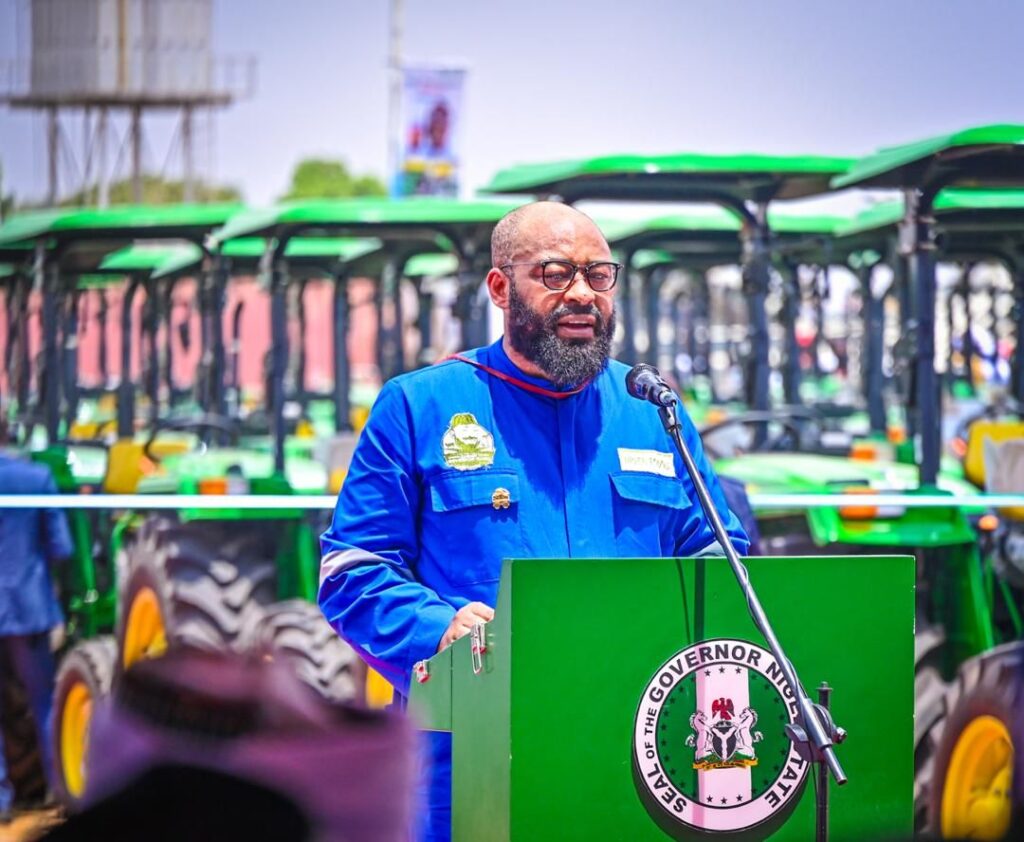
It is also about ensuring that the people understand what is being built, why it matters, and where it is leading. For Niger State, that is the next frontier Bago’s administration must not only fight but conquer at once.
Trending Stories
-
 When Leadership Meets Crisis: Governing Niger State in Hard Times
-
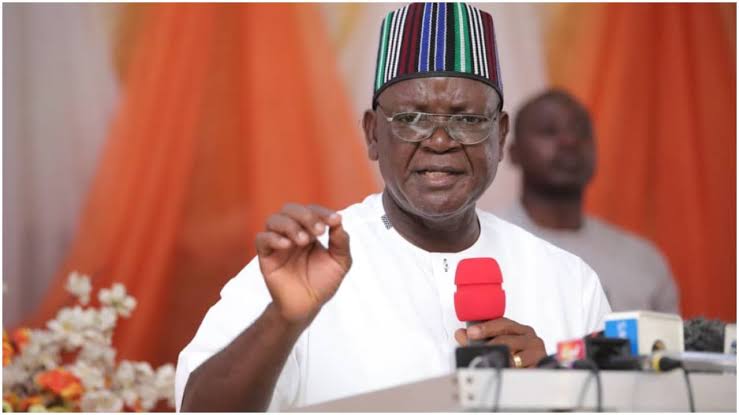 Ortom Slams Benue Probe, Alleges Political Witch-hunt
-
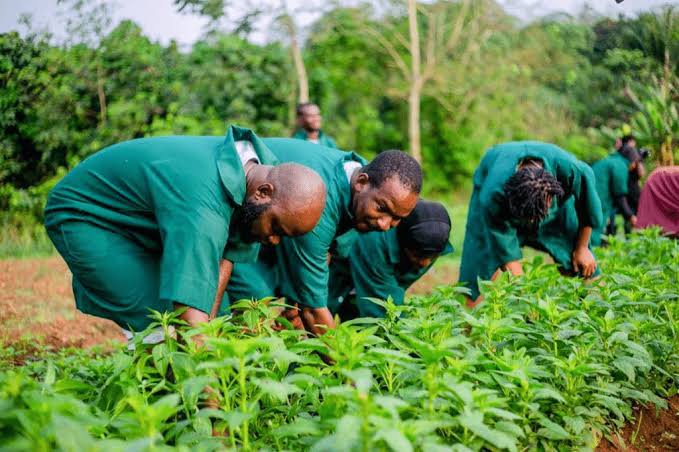 Lagos State Launches Application for N200Million Agribusiness innovation Programme
-
 Kwara: Pharmacy Council Seals 724 Pharmacies, Medicine Stores
-
 Nigeria Maintains Zero Ebola Case, Strengthens Preparedness
-
 Navy Busts Suspected Militant Financing Network
-
 Academics Urge Stronger Research Culture to Advance African Studies
-
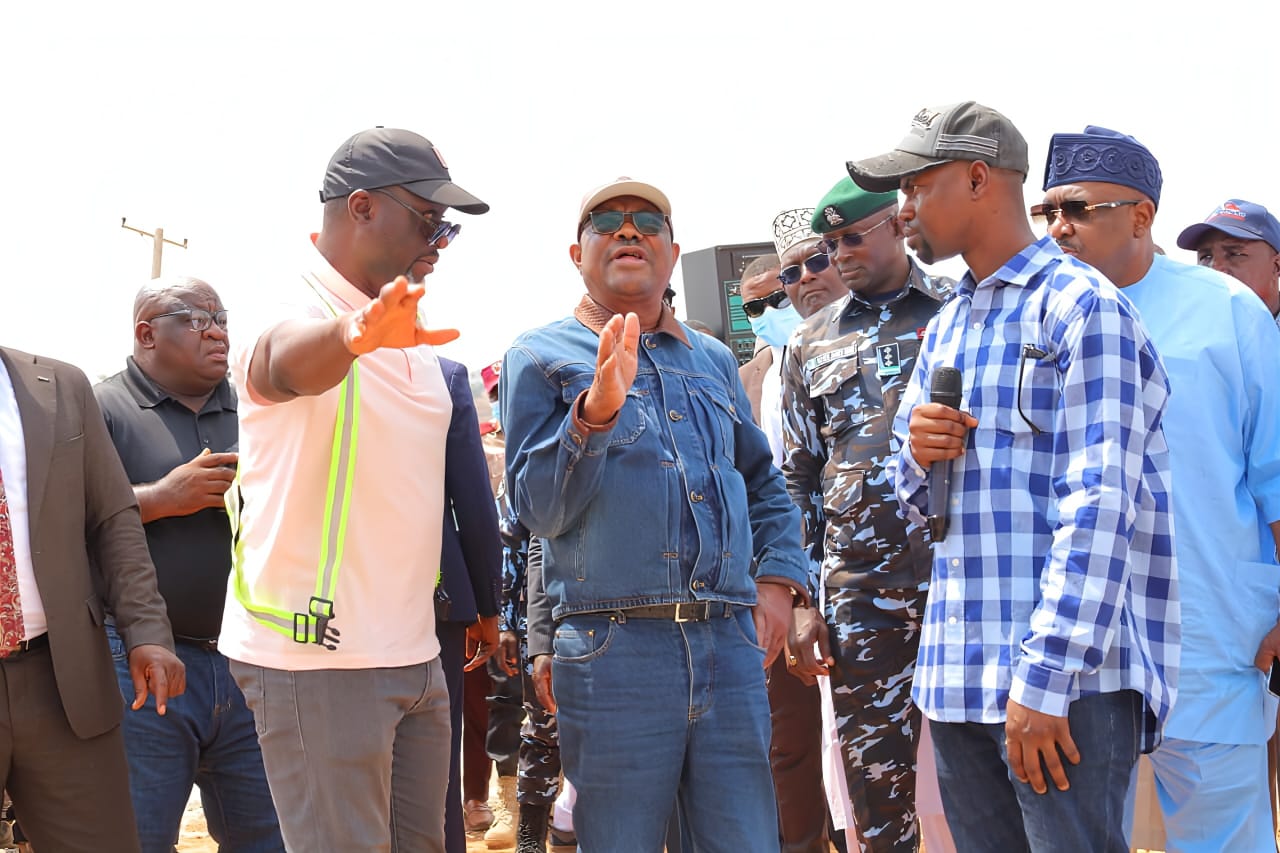 FCT Community Gets Long-Awaited Infrastructure Boost
Advertisement