LIFESTYLE
Culture
Mokwa Tragedy: Risk Managers Demand Overhaul of Early Warning Systems, Disaster Framework
by admin on | 2025-06-11 11:31:43
Share: Facebook | Twitter | Whatsapp | Linkedin Visits: 49
Mokwa Tragedy: Risk Managers Demand Overhaul of Early Warning Systems, Disaster Framework
By Abdullahi Muhammad
Abuja
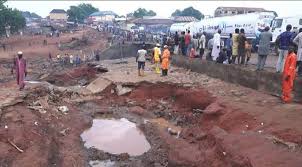
Risk managers in the country are calling for an urgent reevaluation of existing early warning systems in Nigeria following the devastating flooding that claimed over 200 lives in Mokwa, Niger State.
Recall that the torrential rainfall experienced last week wreaked havoc on Mokwa town, claiming lives and destroying over 3,000 properties on its path.
However, to forestall future reoccurrence, the Risk Managers Society of Nigeria, RIMSON, suggested that the Niger State government can significantly reduce the impact of future flooding by developing evacuation routes, shelter locations, and resource management, among other comprehensive emergency response plans that will ensure quick and effective action during floods.
RIMSON, in a press statement on Wednesday, also called for the enforcement of zoning laws and land-use policies that discourage construction in flood-prone areas, as well as improving community engagement in flood preparedness, response training, and awareness campaigns.
The statement signed by the President/Chairman of Governing Board of RIMSON, Dr. Abbas G. Idriss, observed that torrential rainfall often exacerbated by climate change was responsible for the flooding.
The group also noted other factors including poor drainage system, deforestation and land use changes, soil erosion, as well as river overflow compounded the case in Niger State.
Idriss, in the statement, recommended that Implementing robust early warning systems for floods, robust Initiatives to restore vegetation in flood-prone areas to enhance soil absorption, community engagement on flood preparedness will help check the impact of flooding in the state.
According to him, “by addressing these causes and implementing the outlined recommendations, Niger State can significantly reduce the impact of future flooding events.”
On the national level, the Society said there is an urgent need for evaluation of the existing Early Warning Systems to prevent these seasonal avoidable losses.
It stressed that, “the urgent need for evaluation of the existing Early Warning Systems, their effectiveness, Evacuation Plans and Structural Remedies, especially review of construction designs for flood prone areas.”
Other critical interventions highlighted include “the urgent review of Town Planning and strict enforcement of violations,” and “the urgent need to ensure Disaster Management Agencies, both at the National, State and Local Governments are manned by qualified Risk Management professionals.”
The statement also canvassed for the “urgent need to upskill and equip all existing disaster management personnel for greater efficiency.”
They also advocated for the creation of the Office of Risk Management of the Federation to coordinate and monitor all Risk Management efforts across the Geopolitical zones as a national security issue.
Further recommendations included the “urgent need for incorporation of Disaster Awareness and Education into the national educational curriculum and the National Youth Service Corps scheme,” and “regular National Simulation of Disaster Readiness and Response.”
On budget priorities, RIMSON pointed to the need to review budgetary allocations towards disaster prevention than the existing allocations to relief for survivors and called on the legislative arm of government and the civil societies to monitor the deployment of funds allocated for disaster management.
The Society expressed confidence that “the implementation of these recommendations among others will further enhance existing Disaster Management efforts and proactively reduce the avoidable tragic human and economic losses.”
According to RIMSON, “The Risk Management Society of Nigeria (RIMSON) is committed to her advocacy, as she has been doing for the past forty years, in promoting Risk Management Awareness and Education till it becomes a national culture resulting in a more resilient, safe and prosperous nation.”
By Abdullahi Muhammad
Abuja
Risk managers in the country are calling for an urgent reevaluation of existing early warning systems in Nigeria following the devastating flooding that claimed over 200 lives in Mokwa, Niger State.
Recall that the torrential rainfall experienced last week wreaked havoc on Mokwa town, claiming lives and destroying over 3,000 properties on its path.
However, to forestall future reoccurrence, the Risk Managers Society of Nigeria, RIMSON, suggested that the Niger State government can significantly reduce the impact of future flooding by developing evacuation routes, shelter locations, and resource management, among other comprehensive emergency response plans that will ensure quick and effective action during floods.
RIMSON, in a press statement on Wednesday, also called for the enforcement of zoning laws and land-use policies that discourage construction in flood-prone areas, as well as improving community engagement in flood preparedness, response training, and awareness campaigns.
The statement signed by the President/Chairman of Governing Board of RIMSON, Dr. Abbas G. Idriss, observed that torrential rainfall often exacerbated by climate change was responsible for the flooding.
The group also noted other factors including poor drainage system, deforestation and land use changes, soil erosion, as well as river overflow compounded the case in Niger State.
Idriss, in the statement, recommended that Implementing robust early warning systems for floods, robust Initiatives to restore vegetation in flood-prone areas to enhance soil absorption, community engagement on flood preparedness will help check the impact of flooding in the state.
According to him, “by addressing these causes and implementing the outlined recommendations, Niger State can significantly reduce the impact of future flooding events.”
On the national level, the Society said there is an urgent need for evaluation of the existing Early Warning Systems to prevent these seasonal avoidable losses.
It stressed that, “the urgent need for evaluation of the existing Early Warning Systems, their effectiveness, Evacuation Plans and Structural Remedies, especially review of construction designs for flood prone areas.”
Other critical interventions highlighted include “the urgent review of Town Planning and strict enforcement of violations,” and “the urgent need to ensure Disaster Management Agencies, both at the National, State and Local Governments are manned by qualified Risk Management professionals.”
The statement also canvassed for the “urgent need to upskill and equip all existing disaster management personnel for greater efficiency.”
They also advocated for the creation of the Office of Risk Management of the Federation to coordinate and monitor all Risk Management efforts across the Geopolitical zones as a national security issue.
Further recommendations included the “urgent need for incorporation of Disaster Awareness and Education into the national educational curriculum and the National Youth Service Corps scheme,” and “regular National Simulation of Disaster Readiness and Response.”
On budget priorities, RIMSON pointed to the need to review budgetary allocations towards disaster prevention than the existing allocations to relief for survivors and called on the legislative arm of government and the civil societies to monitor the deployment of funds allocated for disaster management.
The Society expressed confidence that “the implementation of these recommendations among others will further enhance existing Disaster Management efforts and proactively reduce the avoidable tragic human and economic losses.”
According to RIMSON, “The Risk Management Society of Nigeria (RIMSON) is committed to her advocacy, as she has been doing for the past forty years, in promoting Risk Management Awareness and Education till it becomes a national culture resulting in a more resilient, safe and prosperous nation.”
ReplyForward |

Trending Stories
-
 INEC Records Over 103 Million Registered Voters Ahead 2027 Elections
-
 Aircraft Accident: NAF Activates Search, Rescue Operation
-
 NGF Mourns Victims of Nigerian Air Force Aircraft Crash
-
 Customs Warns Against Petroleum Smuggling, Vows Relentless Enforcement
-
 Zulum Commissions 86km Roads, Bridge Projects in Gombe
-
 Yari Can Secure Tinubu’s Zamfara Victory, Yarima Says
-
 NPA Moves to Boost Nigeria’s Non-Oil Exports, Forex Inflows
-
 Army Establishes New Formations in Four States, Tinubu Says
Advertisement