Fuel Hike: Aviation Stakeholders Seek FG Intervention
by admin on | 2026-04-26 18:08:46
Share: Facebook | Twitter | Whatsapp | Linkedin Visits: 41
Fuel Hike: Aviation Stakeholders Seek FG Intervention
By Abdullahi Muhammad, Abuja
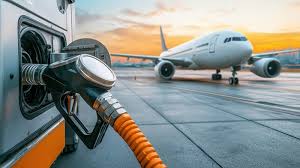
Stakeholders in Nigeria’s aviation sector have called on the Federal Government to urgently intervene in the massive spike in aviation fuel prices, which is threatening the successful airlift of Nigerian pilgrims to Saudi Arabia for the 2026 Hajj.
The stakeholders, under the aegis of Concerned Aviation Stakeholders, said immediate action is needed to save the 2026 Hajj operations from one of the most severe logistical and financial challenges in recent history, following the rising cost of aviation fuel.
President of the group, Alhaji Bukalti Usman Gamawa, who made the call in a statement on Sunday, noted that the skyrocketing cost of Jet A1 aviation fuel continues to threaten the airlift of thousands of Nigerian pilgrims to the Kingdom of Saudi Arabia.
“Many of the airlines contracted for the 2026 Hajj operations are expected to lease aircraft to meet capacity demands. With the current fuel price increase on both legs, much of their projected profit margin has already been wiped out.
“In some cases, airlines may end up operating at break-even or even at a loss, effectively flying ‘for free’ after covering lease and operational expenses. If urgent action is not taken, some airlines may find it financially impossible to even commence operations from Nigeria or sustain return operations from Saudi Arabia,” he said.
Gamawa stated that although the Federal and State Governments no longer provide direct subsidies for Hajj operations in Nigeria, stakeholders believe urgent policy measures, pricing regulation, forex support, or strategic fuel supply arrangements may be necessary to prevent the operation from collapsing.
He maintained that without swift intervention, coordination, and emergency action from the government, regulators, airlines, and marketers, the 2026 Hajj operation may witness one of the highest fare increases in history or, in the worst-case scenario, operational failure.
“In simple terms, the soaring cost of Jet A1 on both the Nigerian and Saudi sides is the clearest reason why Hajj fares are expected to rise sharply in 2026. When Hajj contracts were negotiated and signed, Jet A1 was selling at approximately ₦1,000 per litre in Nigeria, while the average price on the Saudi side was around $0.68 per litre.
“Airlines structured their fares, logistics, and operational plans around these benchmarks. Today, however, the situation has changed dramatically. Across major departure points such as Abuja, Kano, Lagos, Maiduguri, Yola, Sokoto, and Birnin Kebbi, Jet A1 is now being sold for as much as ₦3,000 per litre, representing a 200 per cent increase from the original price used in contract projections.
“This sharp rise has placed airlines in a difficult financial position. If they are forced to absorb the increased fuel cost, many may be operating at a loss. If pilgrims are made to absorb it, Hajj fares will rise sharply. If government intervenes, it may require emergency support mechanisms despite the removal of Hajj subsidies in Nigeria.”
Gamawa explained that for a single aircraft consuming about 70,000 litres of Jet A1 per flight, the financial implications are significant. At the contract benchmark of ₦1,000 per litre, fuel cost stood at ₦70 million, but at ₦2,500 per litre, it rises to ₦175 million, representing an additional burden of ₦105 million per flight.
He further noted:
“At ₦2,800 per litre, as seen in Maiduguri, Sokoto, Yola, and Kebbi, fuel cost rises to ₦196 million, with an additional burden of ₦126 million per flight. This means the financial strain on airlines remains enormous, with serious implications for the overall cost of the 2026 Hajj operation.
“Even if the Nigerian government or local suppliers stabilise Jet A1 prices for the first leg of the Hajj operation from Nigeria to Jeddah or Medina, the second phase, which is the return flight from Jeddah back to Nigeria, remains a major unresolved challenge.
“The price of Jet A1 on the Saudi side has reportedly risen from around $0.68 per litre at the time the Hajj contract was signed to approximately $1.40 per litre now. That is more than a 105 per cent increase in dollar terms.
“For airlines, this creates a double burden: outbound leg with high fuel cost in Nigeria, and inbound leg with high fuel cost in Saudi Arabia in U.S. dollars.
“Unlike Nigeria, where intervention may come through policy or local refinery arrangements, airlines lifting pilgrims back home from Jeddah must buy fuel at prevailing international market rates in foreign currency.”
Trending Stories
-
 Reps Summon Six FCT Councils Over N100bn Audit
-
 Tinubu: Nigeria Slashes Reliance on Crude Oil Revenues
-
 Education Minister Pledges 10 Million Votes for Tinubu
-
 Political Reconciliation Gains Ground as Wike, Fubara Camps Meet
-
 INEC Records Over 103 Million Registered Voters Ahead 2027 Elections
-
 Aircraft Accident: NAF Activates Search, Rescue Operation
-
 NGF Mourns Victims of Nigerian Air Force Aircraft Crash
-
 Customs Warns Against Petroleum Smuggling, Vows Relentless Enforcement
Advertisement