NCDC Intensifies Surveillance Measures Against Ebola Virus
by admin on | 2026-05-25 13:02:09
Share: Facebook | Twitter | Whatsapp | Linkedin Visits: 18
NCDC Intensifies Surveillance Measures Against Ebola Virus
By Ahmad Sirajo Makama, Abuja
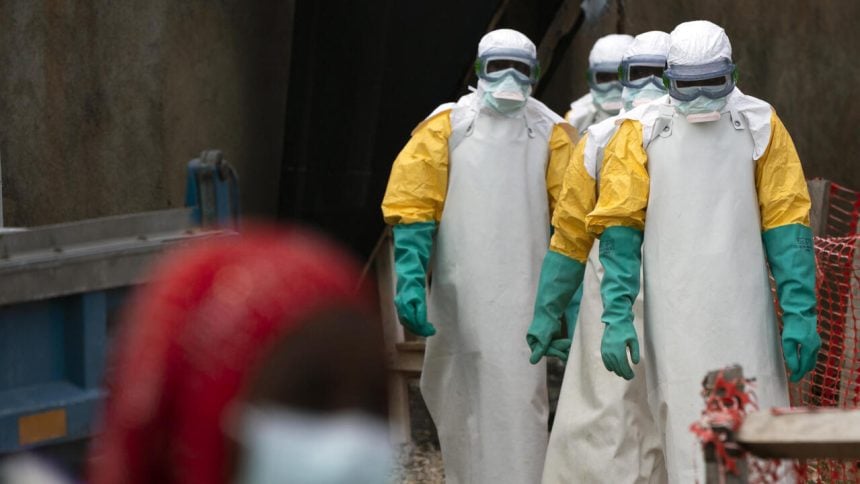
The Nigeria Centre for Disease Control and Prevention (NCDC) has intensified nationwide preparedness and surveillance measures against Ebola Virus Disease (EVD) following rising cases in the Democratic Republic of Congo and Uganda, even as Nigeria records no confirmed case linked to the current regional outbreak.
In an update issued on May 24, 2026, the Director-General of the agency, Dr Jide Idris, said Nigeria remains on high alert after the World Health Organisation declared the outbreak a Public Health Emergency of International Concern (PHEIC).
According to the NCDC, a dynamic risk assessment conducted by the agency classified the risk of Ebola importation into Nigeria as high due to ongoing transmission in affected countries, increasing international travel and population movement, and the possibility of delayed detection, as symptoms may resemble malaria and Lassa fever.
“The assessment also identified high-risk states, border communities, transport hubs, and Points of Entry requiring intensified monitoring and preparedness interventions,” NCDC stated.
Despite the heightened risk, the agency noted that Nigeria already has key response capacities, including trained rapid response teams, functional Emergency Operations Centres, laboratory testing capability, and prior experience in containing Ebola and other viral haemorrhagic fevers.
To strengthen readiness, the NCDC said the National Emergency Operations Centre has been placed on alert mode, while the National Incident Management System has been activated with clearly defined coordination and escalation pathways.
The agency disclosed that epidemiologists and Rapid Response Teams have been placed on standby for possible deployment to any affected state if necessary, while coordination among State Ministries of Health, Port Health Services, and other relevant agencies has been intensified.
As part of surveillance and early detection, the NCDC said it has expanded event-based surveillance and epidemic intelligence activities nationwide, including enhanced monitoring of alerts, rumours, and unusual health events.
The agency added that surveillance has also been strengthened in border communities and at points of entry to ensure early detection and prompt response.
On infection prevention and control, the NCDC said Ebola readiness tools and checklists have been distributed to health facilities across the country, while refresher sensitisation programmes for healthcare workers on triage systems, early case identification, and infection prevention measures are ongoing.
The agency further stated that states have been advised to integrate Ebola preparedness into existing emergency readiness plans by designating isolation and treatment centres, assessing bed capacity, and strengthening ambulance referral and patient transport systems.
The NCDC also revealed that critical response commodities—including personal protective equipment, laboratory consumables, body bags, and emergency medical supplies—are being mapped and prepositioned in strategic locations.
On laboratory preparedness, the agency maintained that Nigeria’s public health laboratory network, including laboratories in states with international points of entry, has existing testing capability and surge capacity for Ebola diagnosis if required.
The NCDC said it is also reinforcing sample collection, transportation, biosafety, and biosecurity procedures across designated viral haemorrhagic fever laboratories.
To combat misinformation, the agency disclosed that it has intensified public awareness campaigns, social listening, and rumour management efforts in collaboration with media organisations, healthcare professionals, community leaders, and digital platforms.
The agency also announced the development and dissemination of Ebola Myths and Facts materials to address false claims circulating online.
While reassuring Nigerians that there is currently no confirmed Ebola case in the country linked to the ongoing regional outbreak, the NCDC urged the public to maintain regular hand hygiene, avoid direct contact with bodily fluids of sick persons, promptly report unexplained illnesses or deaths, and rely only on verified information from public health authorities.
Healthcare workers were also advised to maintain a high index of suspicion for patients presenting with compatible symptoms and relevant travel history, while strictly adhering to infection prevention and control measures, including early isolation of suspected cases and appropriate use of personal protective equipment.
The NCDC reiterated that early reporting, truthful disclosure of travel and exposure history, and responsible health-seeking behaviour remain critical in reducing the risk of Ebola importation and onward transmission in Nigeria.
Trending Stories
-
 Wike Directs Event Centers Against Illegal Businesses
-
 ASUBEB Distributes Learning Materials to Public Schools
-
 Wike Lauds Speedy Pace of FCT Projects
-
 Gas Marketers Urge Urgent Government Intervention Over Prices
-
 Tinubu Emerges APC Flag Bearer for 2027 Election
-
 NCDC Intensifies Surveillance Measures Against Ebola Virus
-
 Anambra Moves to Digitise Healthcare System
-
 Hajj 2026: Lagos state Fulfils Pledge to Pilgrims
Advertisement