Bago's Frank Insecurity Polemics, Strength of Willpower and Respite for the Rest of us
by admin on | 2026-08-03 22:25:46
Share: Facebook | Twitter | Whatsapp | Linkedin Visits: 482

Bago’s Frank Insecurity Polemics, Strength of Willpower, and Respite for the Rest of Us
By Jibrin Bala Jibrin Yikangi
A few years ago five or six, I think—I took a motorcycle ride from my village, Yikangi Tako, to connect Beji, where I would be able to board a cab to Minna. It was during the Sallah festival. As we passed through the villages and settlements of Mainasara, Sonmajiko, Makera, and down to Beji, I noticed something that deeply arrested my attention.
In each of these villages, more than ten in number the markets were filled with young Fulani boys and girls emerging from the bushes, forests, and footpaths leading into and out of the surrounding wilderness. Some appeared before we entered the villages, while others emerged as we were leaving. They were all heading toward the various arenas and gathering points to celebrate the Sallah festivities.

What struck me most was their sheer number. My thoughts turned to the population these Fulani children represented. Without exaggeration, their numbers seemed to outnumber the native Nupe and Gbari/Gwari/Gbagyi villagers—both individually in many of those locations and collectively across the villages we passed through. They kept pouring out of the forests and bushes in large numbers, and at that moment, a thought occurred to me: that the Fulanis might be more numerous than many of the indigenous communities among whom they had settled.
In most of the communities I have mentioned, the Fulanis are settlers who had, for decades, lived peacefully and become deeply integrated with the native populations. Their growing population and relative well-being reflected that long period of coexistence. However, recent developments have caused many people to view some of these communities differently, especially in the context of insecurity. My point here is not to generalize, but to illustrate the concern and apprehension many rural communities now feel. Issues of security, population movement, and settlement should therefore be handled with seriousness, commitment, and strong political will.
I have another experience to share regarding the attitude of our people toward their own security.
It was during another Sallah period about thirteen years ago, not long after the death of my paternal grandmother. I had visited Gbangba Juko to pay Sallah homage to my father’s elder brother. While sitting in the katamba (courtyard), I saw two Fulani men emerging from the courtyard opposite my grandfather’s compound. One of them was putting on his shirt, exactly like someone coming out of his own room.

Curious, I asked my cousins what the Fulani men were doing there. I was told that they had been accommodated in a room by our neighbour, who was a friend of one of them.
I was surprised. The idea of Fulani men being accommodated in Nupe homes, in a Nupe community, unsettled me. I silently wondered why they were not staying in their own settlements. Looking back today, I feel that our openness and hospitality, though admirable, did not anticipate the possibility that some bad elements among those we welcomed could later become associated with insecurity in our communities. We accepted their parents and grandparents without conditions, yet today some communities feel threatened and displaced.
This brings me to what His Excellency, the Farmer Governor, Mohammed Umar Bago, said recently in Kagara, Kontagora, and New Bussa. My point is that many communities in Niger State feel under pressure from insecurity, displacement, and fear. Since the return of democracy in 1999, I do not recall a governor in Niger State who has spoken as directly about these concerns as Governor Bago has. This is not mere theatrics; it reflects the frustrations, pain, and losses that many citizens have experienced over the years.
Bago made it clear that many people associate insecurity and kidnapping with armed criminal elements operating from forests and rural settlements, including some who are identified as Fulani. Whether one agrees with his phrasing or not, it was a remarkably candid statement for a sitting governor to make publicly.
He also stated that no Fulani should be prevented from settling anywhere in Nigeria, as every Nigerian has constitutional rights. However, he warned that the practice of inviting armed kinsmen from other states, such as Zamfara and elsewhere, to settle in Niger State would no longer be tolerated because of the danger it poses to unarmed farming communities. This message resonated strongly with many residents.
What makes Bago’s intervention particularly significant is that he did not direct blame at only one group. He criticized excesses committed by some volunteer vigilante organisations, acknowledged that some native farmers obstruct traditional routes and corridors, and urged communities to clear passageways used by both people and livestock. It was perhaps the most comprehensive public discussion of insecurity by a sitting executive governor of Niger State in recent memory.
From Kagara to Kontagora and New Bussa, his message was consistent: no more laxity; the security of citizens must become the government’s highest priority.

Among the measures he announced were calls for the establishment of additional military Forward Operating Bases (FOBs) and barracks in underserved areas; directives to emirs, district heads, ward heads, and mai-anguwas to keep records of incoming and outgoing settlers; appeals to native communities to stop indiscriminately selling forest and tree resources to undocumented strangers; restrictions on land sales without government approval and security background checks; and the creation of contact structures for different ethnic and religious groups within emirate councils.
Whether one supports every aspect of these measures or not, they represent a structured attempt to confront insecurity through documentation, local intelligence, land administration, and stronger coordination between communities and government.
At the same time, the administration has pursued major infrastructure and agricultural projects across Niger State. Road expansion projects, urban renewal initiatives in Minna, rural feeder road rehabilitation, and agricultural mechanisation programmes are intended to improve connectivity, strengthen rural economies, and reduce the conditions that often contribute to insecurity.

These proposals, if implemented diligently and fairly, could contribute to the safer and more prosperous Niger State that many residents desire.
Thank you, Bago, for placing security and development at the centre of public discourse and for presenting a blueprint that many believe deserves careful consideration and, where appropriate, emulation by other states in the region.
Jibrin Bala Jibrin Yikangi
Teacher, Poet, and Social Activist
Gbako, Niger State
30/07/2026
Trending Stories
-
 First Lady To Lead North Central APC Rally For Tinubu, Shettima
-
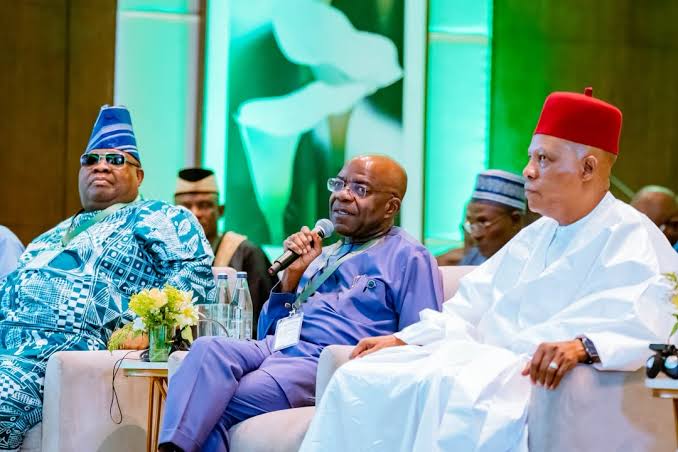 Nigeria Pledges Grassroots Collaboration to Improve Nutrition Outcomes
-
 Tinubu’s Reforms Strengthen Nigeria’s Economic Foundation- Minister
-
 Otu Urges BON To Strengthen Professional Standards In Broadcasting
-
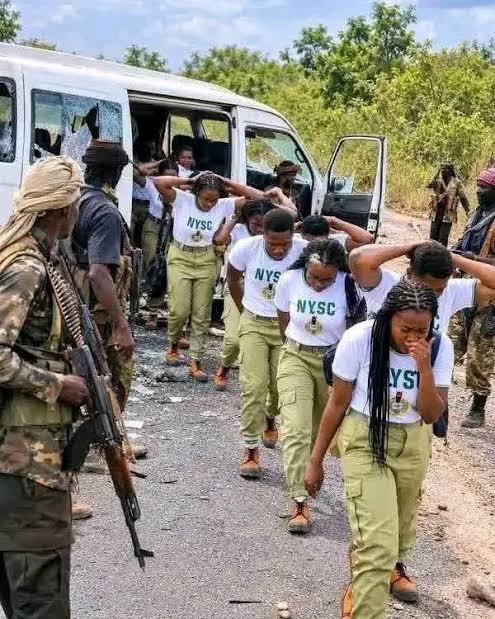 Security Operatives Rescue 20 Abducted Prospective NYSC Members
-
 Bago to Flag Off ₦1.5tn Lambata-Kontagora Highway Reconstruction
-
 FG Releases Eight-Month Allowance To Non-Academic Tertiary Staff
-
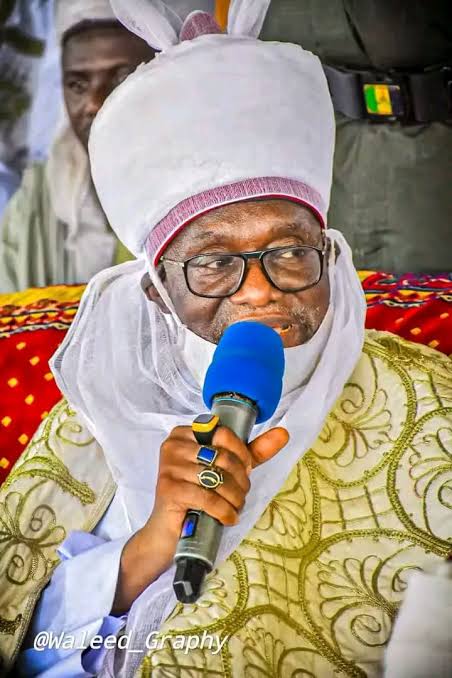 Niger Appoints Kontagora Emir As 2027 Amirul Hajj
Advertisement