Over 24 Million Nigerians Living With Visual Impairment- OSN
by admin on | 2026-09-06 16:23:41
Share: Facebook | Twitter | Whatsapp | Linkedin Visits: 52
Over 24 Million Nigerians Living With Visual Impairment- OSN
By Muhammad Bala Imam Abuja
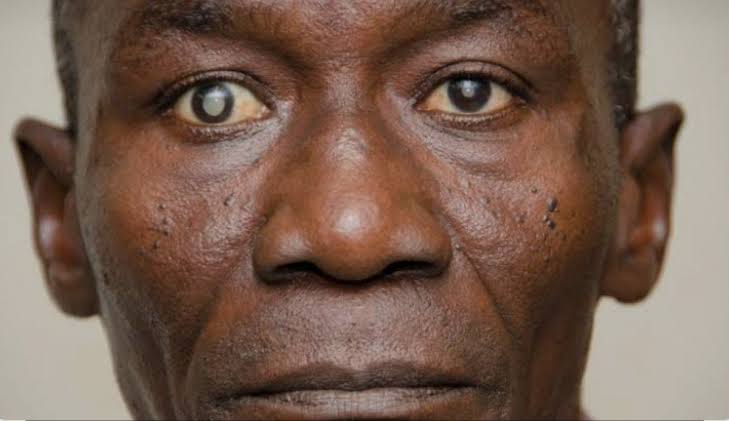
More than 24 million people in Nigeria are living with visual impairment, with 84 per cent of cases preventable or treatable, the Ophthalmological Society of Nigeria (OSN) says.
The Society made this known in a communique issued at the end of its 51st Annual General Meeting and Scientific Conference, tagged Abuja ASO 2026, held from September 2 to 4 at the Nigerian Army Conference Centre and Suites, Asokoro, Abuja.
The conference, themed “Reimagining Eye Care in the Digital Era,” brought together more than 850 ophthalmologists and ophthalmologists-in-training from Nigeria and other African countries to deliberate on emerging challenges and opportunities in eye care.
Presenting the communique, OSN President, Dr Gloria Patrick, identified cataract, glaucoma, uncorrected refractive errors and diabetic retinopathy as the leading causes of blindness in Nigeria.
She said the persistent prevalence of avoidable blindness required the country to embrace technology, innovation and data-driven approaches to eye care.
“The theme was chosen to reflect the urgent need to leverage technology, innovation and data to address Nigeria's eye health burden and achieve universal health coverage,” Patrick said.
The Society expressed concern over the maldistribution of ophthalmologists and other eye health workers, increasing brain drain, poor electricity supply and the high cost of data, which it said were limiting access to quality eye care.
It estimated that the loss of one ophthalmologist through migration could cost the Nigerian economy about $150,000 annually, while stressing that the urban-rural disparity in the distribution of specialists remained a major challenge.
The OSN therefore called on state and local governments to employ more ophthalmologists and other eye health workers, particularly in underserved communities.
It also urged governments and development partners to increase funding for the training and retraining of eye health professionals in artificial intelligence, electronic medical records and digital diagnostics.
The Society advocated the adoption of teleophthalmology and artificial intelligence to expand access to eye care, stressing that AI should support healthcare professionals rather than replace them.
“We call for the adoption of teleophthalmology to improve eye care service delivery and the application of AI as a complement to human services and not a replacement”. She said.
The OSN further called for the immediate integration of eye health data into the National District Health Information System platform to strengthen planning and delivery of patient-centred services.
It also appealed to the Nigerian government to extend tax waivers and incentives for medical equipment to digital eye-care equipment and explore solar-powered digital tools at primary healthcare centres.
Speaking on the need to expand digital eye care, OSN Vice President, Prof. Abdulkadir Rafindadi, said technology could help reach underserved populations both in rural communities and rapidly growing urban settlements.
Rafindadi noted that 55.8 per cent of Nigeria's population was now urban, creating a growing population of urban underserved people who might still face difficulties accessing specialist care.
“Leveraging digital technology is also very relevant to people in urban centres,” he said, adding that online and offline consultations could enable specialists to remotely review screenings and patient data from distant centres.
The Conference Planning Committee Chairperson, Prof. Regina Morgan, also stressed the importance of reliable electricity to digital eye-care services, calling for greater investment in solar power at primary healthcare centres.
“There's nothing Nigeria can do without solar power,” Morgan said, urging more states to expand the solarisation of primary healthcare facilities.
She also called for stronger media advocacy to draw public and government attention to challenges affecting eye health.
“The press has a lot to do too, because you can help us with letting the public know many of these things”. She said.
As part of activities preceding the conference, the OSN conducted a free cataract surgical outreach from August 27 to 28, performing more than 500 cataract surgeries for indigent patients at selected facilities in Abuja and Nasarawa State.
The Society also condemned quackery and unauthorised eye-care interventions by local and foreign health practitioners, warning that such practices endanger patients.
It called for clearer professional boundaries among eye health workers and urged ophthalmologists to uphold ethical standards, empathy, effective communication and workplace harmony.
The OSN further called for the inclusion of vital parenteral intraocular medications, particularly those used in managing retinal diseases, in the National Health Insurance Authority drug list.
It pledged to strengthen mentorship and promote the well-being of ophthalmologists while working with government, development partners, philanthropists and technology companies to improve access to modern eye-care services across Nigeria.
Trending Stories
-
 Reps Summon Six FCT Councils Over N100bn Audit
-
 Tinubu: Nigeria Slashes Reliance on Crude Oil Revenues
-
 Education Minister Pledges 10 Million Votes for Tinubu
-
 Political Reconciliation Gains Ground as Wike, Fubara Camps Meet
-
 INEC Records Over 103 Million Registered Voters Ahead 2027 Elections
-
 Aircraft Accident: NAF Activates Search, Rescue Operation
-
 NGF Mourns Victims of Nigerian Air Force Aircraft Crash
-
 Customs Warns Against Petroleum Smuggling, Vows Relentless Enforcement
Advertisement