Wike charges residents to take responsibility of public infrastructures
by admin on | 2025-06-04 10:57:02
Share: Facebook | Twitter | Whatsapp | Linkedin Visits: 52
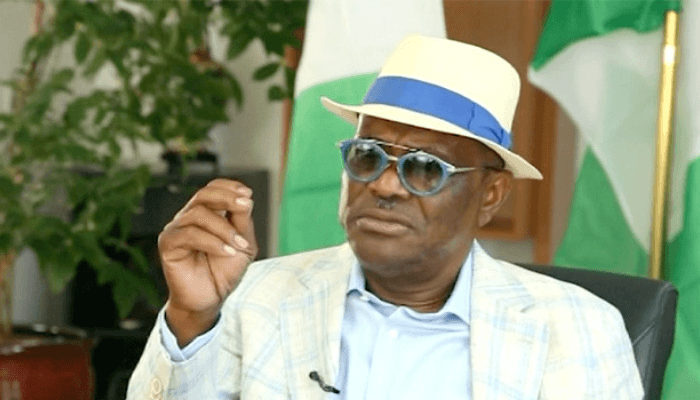
Wike charges residents to take responsibility of public infrastructures
By Abdullahi Muhammad
Abuja
Minister of the Federal Capital Territory Administration(FCTA), Barr Nyesom Wike, has charged residents of Abuja to take responsibility of public infrastructure provided by the government, warning that continued vandalism would reverse gains made in national development efforts.
Wike made this call Saturday, while inspecting several completed and ongoing projects across the area councils noting that the administration is determined to deliver lasting dividends of democracy to all communities within the territory.
“The government has provided the infrastructure. It is for the people to own it, to ensure its sustainability,” Wike stated. “Let people not vandalize or destroy what has been provided. For example, we are providing street lights, and the citizens must also secure these lights. The government cannot do everything.”
He indicated the need for community involvement in protective government investments,.
He said: “We have security agencies, yes, but citizens can be of great help by giving useful information. It would be wrong to return to a community tomorrow only to hear that poles have been vandalized and wires stolen.”
Wike who reminded the residents that before the government’s intervention, many of these communities were the same ones pleading for roads and basic infrastructure.
“Now that the government has done its part to make life meaningful, the people should help protect what has been provided,” he said.
He also highlighted the strategic importance of road infrastructure in boosting economic activity, particularly in repositioning Abuja as a food production hub.
He said: “Today, I was very happy. We flagged off the section from A2 to Pia that has been completed, and we also flagged off the continuation from Pia to Gwagwalada. For the first time, we can now access these vast lands.”
He pointed out that previously, poor road access discouraged farming and investment, but the completion of critical road links would unlock the agricultural potential of rural Abuja.
“Look at the land, look at the water this is what we need for irrigation and food security. Leadership is key, and with the leadership we have today under President Bola Ahmed Tinubu, you will see transformation,” he said.
Wike disclosed that he had directed the Satellite Towns Development Department (STDD) to extend the road project by an additional 13 kilometers from Pia to Yangoji in Kwali Area Council.
“At the end of the day, from Yangoji to A2 will be about 40-something kilometers. That corridor will open up everything agriculture, trade, and investments,” he said.
On the upcoming commissioning of 19 completed projects, Wike declined to pick a favorite, noting that every project whether in rural or urban areas is equally important.
“All of them are dear to me. Each one affects lives in different ways. If I pick the International Conference Centre, those in rural areas will ask, how many of us use it? So we are giving attention to all because they all impact the people,” he explained.
He reiterated that development must be inclusive and strategic, with roads serving as the foundation for every other form of infrastructure schools, hospitals, and markets.
“Road is the cornerstone of development. Without roads, other interventions won’t make sense. We’re happy with what we’ve done so far,” he said.
When asked whether President Tinubu would be visiting specific Area Councils during the project commissioning, Wike said such details would be determined by the Presidency and security agencies.
“That would be the choice of Mr. President. It’s a security question,” he stated.
Wike expressed satisfaction with the renewed hope among residents who are beginning to feel the positive impact of governance.
“Before, people were not happy because they couldn’t see the impact of government. But now they are grateful. They say we’ve come to change their lives and restore lost hope. That’s what governance should be,” Wike concluded.
Trending Stories
-
 Niger State Government Sets up Committee of Inquiry to Determine Root Cause of Deaths of 37 Detainees
-
 ADP Begins Strategic Preparations for General Elections
-
 Nigeria Rules Out Sale Of King’s College, Unity Colleges
-
 NISO Commences Second Phase of System Operators’ Capacity Development
-
 JAMB Moves to Introduce Life Skills, Critical Thinking
-
 Air Defences: NAF Receives Five New Helicopters
-
 INEC Reaffirms Commitment to Inclusive Electoral Process
-
 APC Governors Back Tinubu, Rule Out Rival Political Alliances
Advertisement