POLITICAL
POLITICS
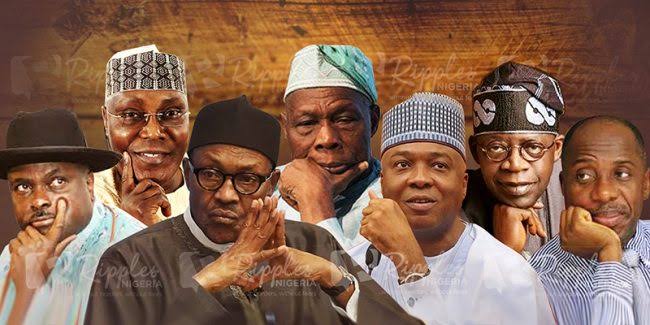
In Nigeria’s political space, the ability to listen and understand opposing views is often lost in the rush to speak, defend and condemn. Political conversations can quickly become contests of loyalty, with people judging opinions before taking the time to understand the arguments behind them.
Yet, listening is essential to meaningful political discourse. Empathetic listening does not require agreement. It means understanding another person’s position, examining the reasoning behind it and considering the facts before forming a judgment. This can reveal the values, concerns and assumptions shaping an argument and create room for more productive discussion.

When citizens listen to understand rather than simply to respond, political debates can move beyond emotion and personal attacks towards issues, ideas and the consequences of political choices.
Instead, what often emerges is the cacophony of “oversabi” — the mentality that one knows everything and must prove it. Arguments become competitions to speak louder, discredit opponents or have the final word. By the end, little may have been achieved beyond the pleasure of castigating and criticising others.
This kind of behaviour can become a form of psychological power play and, in some circumstances, disrespect for leadership positions. Leadership is not an easy responsibility, regardless of the experience, education, or knowledge a person possesses.

Leadership requires innate qualities and resilience to navigate difficult circumstances.
In the absence of perfect leaders, however, we still have a country to run and a fragile nation to build. Nigerians should cultivate the habit of paying attention to governance and supporting leaders where their actions are beneficial to society, while constructively challenging policies that are harmful.
Supporting leadership does not mean surrendering one's conscience or abandoning accountability. It means recognising the enormous pressure attached to leadership while providing constructive guidance where necessary.

I learned something similar from one of my lecturers when I was disrespectful to our class representative. The advice my lecturer gave me has remained with me and has influenced my thinking ever since.
Some may disagree with this philosophy, particularly when religious leaders or elder statesmen openly criticise those in power rather than privately offering counsel, encouragement, and prayers for better governance. There is wisdom in the principle expressed by Harvey Spectre in the television series Suits: “Never destroy anyone in public when you can accomplish the same result in private.”
The principle is simple: correction does not always have to become humiliation.
Leadership, Morality and Responsibility
Of course, African leadership also has its own challenges. Sycophancy, excessive attachment to power, corruption, and inadequate capacity to govern effectively have contributed to the continent's developmental problems.
African countries possess enormous natural resources, yet many continue to lag behind their potential. It is a citizen's right to aspire to the highest political office, but public office comes with enormous responsibilities. Beyond power and wealth, a leader's name, reputation, legacy, and place in history are at stake.
History may be kind to a leader and his family if he does what is necessary while in office. Political strategies, determination, and ambition may help someone reach power, but remaining there and leaving a positive legacy requires something more: character, competence, morality, and consciousness.
As human beings, our best efforts may never be sufficient to solve every problem. Therefore, morality and consciousness should remain the watchwords of anyone entrusted with public responsibility.
Supporting those in power does not mean supporting every policy they introduce. True support requires balance: standing behind leaders when they are doing the right thing, while providing honest guidance when their decisions are not producing the desired outcomes.
The pressure of political office can be enormous, and leaders can sometimes lose direction. Citizens occupying strategic positions in society should help put them back on the right path rather than deliberately complicating the situation.
If citizens constantly pray for the downfall of a leader without considering the consequences for the country, the wider population may ultimately suffer the setback. We should learn to make good things out of imperfect circumstances when good intentions and the public interest remain at the centre of governance.
Macroeconomic Stability
Macroeconomics concerns the economy as a whole. Its major objectives include price stability, sustainable economic growth, employment, exchange-rate stability, and sound public finance.
These outcomes depend significantly on a formidable fiscal system, a robust monetary system, and effective governance at the helm of affairs.
For example, if the government increases spending on roads, electricity, railways, and transport infrastructure, businesses may experience lower production and transportation costs. This can encourage investment, improve productivity, create employment, and increase aggregate supply over time.
However, when a significant portion of funds released through subsidy reforms is directed toward recurrent expenditure rather than productive investment, the government may become increasingly dependent on borrowing.
Borrowing itself is not necessarily bad. The important question is what the borrowed money is used for.
Government borrowing should, as much as possible, be directed toward projects that expand productive capacity, improve economic efficiency, generate employment, and potentially create future revenue.
Nigeria therefore needs to do more in fiscal management. The ongoing reforms aimed at improving revenue administration and bringing government revenue collection under a more coordinated system could strengthen the country's fiscal position if properly implemented.
Infrastructure as an Economic Multiplier
I recently came across a video of a Nigerian on Facebook discussing the Lagos–Calabar Coastal Highway.
He said the project had made him reconsider his perception of the present administration.

There is no gainsaying that a properly completed and effectively maintained 700-kilometre coastal highway could reduce transportation costs, improve connectivity, stimulate investment, and open opportunities for real estate and commercial development along the corridor.
Infrastructure should not merely be viewed as physical construction. It is an economic tool. Good roads, railways, electricity, ports, airports, and digital infrastructure can reduce the cost of doing business and improve the productive capacity of an economy.
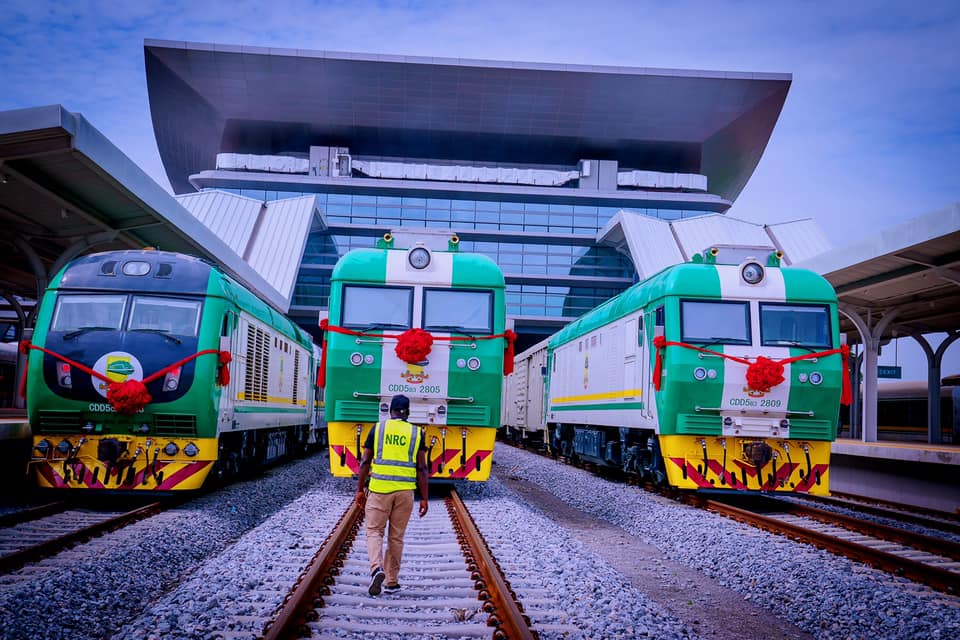
I have also observed the benefits of improved transport facilities around the Nnamdi Azikiwe International Airport. The airport now has a rail transport connection to the Abuja metro in the central area, providing passengers with an alternative means of reaching the city. Seeing Nigerians use public infrastructure for different purposes—including parents bringing their children for excursions—offers a small but important reminder that government can still provide facilities that improve people's quality of life.
These developments give us hope that Nigeria can build world-class infrastructure when planning, financing, implementation, maintenance, and accountability are taken seriously.
Exchange Rate and the Capital Market
Exchange-rate stability is another important component of macroeconomic stability. Persistent exchange-rate volatility can increase the cost of imported inputs, create uncertainty for businesses, affect investment decisions, and contribute to inflationary pressures.
A stable and credible monetary environment can therefore strengthen business confidence and encourage both domestic and foreign investment.
The stock market is also an important barometer of economic sentiment and investment activity. A growing capital market can help businesses raise long-term capital, attract investors, expand operations, and potentially create employment opportunities.
However, a rising stock market should not, by itself, be interpreted as proof that the entire economy is prosperous. Stock-market performance needs to be considered alongside inflation, employment, household income, productivity, exchange rates, and other macroeconomic indicators.
As Obi-Chukwu, founder of Nairametrics, reportedly observed: “For the first time in a long time, about 20 years, I've been tracking the capital market. We are in a period where reforms now match growth in investment, and it's been a lot of good news. Currently, the stock market is up 50%.”
The broader lesson is that economic reforms should ultimately translate into productive investment, stronger businesses, better employment opportunities, improved purchasing power, and sustainable economic growth.
Nigeria does not merely need people who can talk about problems. It needs citizens who can listen, analyse, question assumptions, distinguish facts from opinions, and contribute constructive ideas for the betterment of the nation.
Nigerian Politics: When Oversabi Drowns Out Reason
by admin on | 2026-09-30 13:49:54
Share: Facebook | Twitter | Whatsapp | Linkedin Visits: 39
Nigerian Politics: When Oversabi Drowns Out Reason
By Hakeem Adewale Adeosun
By Hakeem Adewale Adeosun
In Nigeria’s political space, the ability to listen and understand opposing views is often lost in the rush to speak, defend and condemn. Political conversations can quickly become contests of loyalty, with people judging opinions before taking the time to understand the arguments behind them.
Yet, listening is essential to meaningful political discourse. Empathetic listening does not require agreement. It means understanding another person’s position, examining the reasoning behind it and considering the facts before forming a judgment. This can reveal the values, concerns and assumptions shaping an argument and create room for more productive discussion.
When citizens listen to understand rather than simply to respond, political debates can move beyond emotion and personal attacks towards issues, ideas and the consequences of political choices.
Instead, what often emerges is the cacophony of “oversabi” — the mentality that one knows everything and must prove it. Arguments become competitions to speak louder, discredit opponents or have the final word. By the end, little may have been achieved beyond the pleasure of castigating and criticising others.
This kind of behaviour can become a form of psychological power play and, in some circumstances, disrespect for leadership positions. Leadership is not an easy responsibility, regardless of the experience, education, or knowledge a person possesses.
Leadership requires innate qualities and resilience to navigate difficult circumstances.
In the absence of perfect leaders, however, we still have a country to run and a fragile nation to build. Nigerians should cultivate the habit of paying attention to governance and supporting leaders where their actions are beneficial to society, while constructively challenging policies that are harmful.
Supporting leadership does not mean surrendering one's conscience or abandoning accountability. It means recognising the enormous pressure attached to leadership while providing constructive guidance where necessary.
I learned something similar from one of my lecturers when I was disrespectful to our class representative. The advice my lecturer gave me has remained with me and has influenced my thinking ever since.
Some may disagree with this philosophy, particularly when religious leaders or elder statesmen openly criticise those in power rather than privately offering counsel, encouragement, and prayers for better governance. There is wisdom in the principle expressed by Harvey Spectre in the television series Suits: “Never destroy anyone in public when you can accomplish the same result in private.”
The principle is simple: correction does not always have to become humiliation.
Leadership, Morality and Responsibility
Of course, African leadership also has its own challenges. Sycophancy, excessive attachment to power, corruption, and inadequate capacity to govern effectively have contributed to the continent's developmental problems.
African countries possess enormous natural resources, yet many continue to lag behind their potential. It is a citizen's right to aspire to the highest political office, but public office comes with enormous responsibilities. Beyond power and wealth, a leader's name, reputation, legacy, and place in history are at stake.
History may be kind to a leader and his family if he does what is necessary while in office. Political strategies, determination, and ambition may help someone reach power, but remaining there and leaving a positive legacy requires something more: character, competence, morality, and consciousness.
As human beings, our best efforts may never be sufficient to solve every problem. Therefore, morality and consciousness should remain the watchwords of anyone entrusted with public responsibility.
Supporting those in power does not mean supporting every policy they introduce. True support requires balance: standing behind leaders when they are doing the right thing, while providing honest guidance when their decisions are not producing the desired outcomes.
The pressure of political office can be enormous, and leaders can sometimes lose direction. Citizens occupying strategic positions in society should help put them back on the right path rather than deliberately complicating the situation.
If citizens constantly pray for the downfall of a leader without considering the consequences for the country, the wider population may ultimately suffer the setback. We should learn to make good things out of imperfect circumstances when good intentions and the public interest remain at the centre of governance.
Macroeconomic Stability
Macroeconomics concerns the economy as a whole. Its major objectives include price stability, sustainable economic growth, employment, exchange-rate stability, and sound public finance.
These outcomes depend significantly on a formidable fiscal system, a robust monetary system, and effective governance at the helm of affairs.
For example, if the government increases spending on roads, electricity, railways, and transport infrastructure, businesses may experience lower production and transportation costs. This can encourage investment, improve productivity, create employment, and increase aggregate supply over time.
However, when a significant portion of funds released through subsidy reforms is directed toward recurrent expenditure rather than productive investment, the government may become increasingly dependent on borrowing.
Borrowing itself is not necessarily bad. The important question is what the borrowed money is used for.
Government borrowing should, as much as possible, be directed toward projects that expand productive capacity, improve economic efficiency, generate employment, and potentially create future revenue.
Nigeria therefore needs to do more in fiscal management. The ongoing reforms aimed at improving revenue administration and bringing government revenue collection under a more coordinated system could strengthen the country's fiscal position if properly implemented.
Infrastructure as an Economic Multiplier
I recently came across a video of a Nigerian on Facebook discussing the Lagos–Calabar Coastal Highway.
He said the project had made him reconsider his perception of the present administration.
There is no gainsaying that a properly completed and effectively maintained 700-kilometre coastal highway could reduce transportation costs, improve connectivity, stimulate investment, and open opportunities for real estate and commercial development along the corridor.
Infrastructure should not merely be viewed as physical construction. It is an economic tool. Good roads, railways, electricity, ports, airports, and digital infrastructure can reduce the cost of doing business and improve the productive capacity of an economy.
I have also observed the benefits of improved transport facilities around the Nnamdi Azikiwe International Airport. The airport now has a rail transport connection to the Abuja metro in the central area, providing passengers with an alternative means of reaching the city. Seeing Nigerians use public infrastructure for different purposes—including parents bringing their children for excursions—offers a small but important reminder that government can still provide facilities that improve people's quality of life.
These developments give us hope that Nigeria can build world-class infrastructure when planning, financing, implementation, maintenance, and accountability are taken seriously.
Exchange Rate and the Capital Market
Exchange-rate stability is another important component of macroeconomic stability. Persistent exchange-rate volatility can increase the cost of imported inputs, create uncertainty for businesses, affect investment decisions, and contribute to inflationary pressures.
A stable and credible monetary environment can therefore strengthen business confidence and encourage both domestic and foreign investment.
The stock market is also an important barometer of economic sentiment and investment activity. A growing capital market can help businesses raise long-term capital, attract investors, expand operations, and potentially create employment opportunities.
However, a rising stock market should not, by itself, be interpreted as proof that the entire economy is prosperous. Stock-market performance needs to be considered alongside inflation, employment, household income, productivity, exchange rates, and other macroeconomic indicators.
As Obi-Chukwu, founder of Nairametrics, reportedly observed: “For the first time in a long time, about 20 years, I've been tracking the capital market. We are in a period where reforms now match growth in investment, and it's been a lot of good news. Currently, the stock market is up 50%.”
The broader lesson is that economic reforms should ultimately translate into productive investment, stronger businesses, better employment opportunities, improved purchasing power, and sustainable economic growth.
Nigeria does not merely need people who can talk about problems. It needs citizens who can listen, analyse, question assumptions, distinguish facts from opinions, and contribute constructive ideas for the betterment of the nation.
Trending Stories
-
 INEC Records Over 103 Million Registered Voters Ahead 2027 Elections
-
 Aircraft Accident: NAF Activates Search, Rescue Operation
-
 NGF Mourns Victims of Nigerian Air Force Aircraft Crash
-
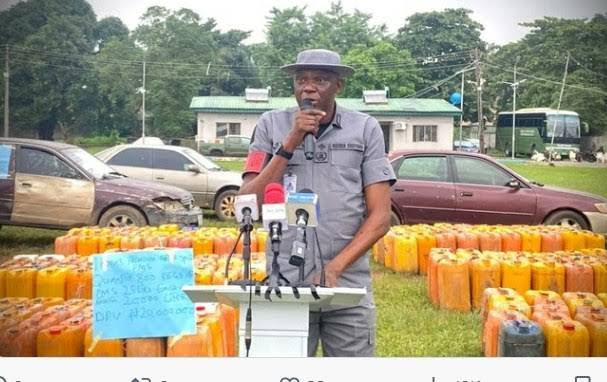 Customs Warns Against Petroleum Smuggling, Vows Relentless Enforcement
-
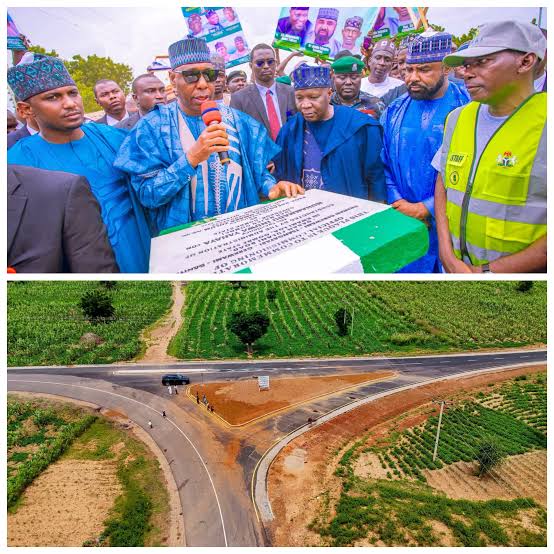 Zulum Commissions 86km Roads, Bridge Projects in Gombe
-
 Yari Can Secure Tinubu’s Zamfara Victory, Yarima Says
-
 NPA Moves to Boost Nigeria’s Non-Oil Exports, Forex Inflows
-
 Army Establishes New Formations in Four States, Tinubu Says
Advertisement