World Bank Identifies $4 Trillion Financing Gap For Developing Countries
by admin on | 2026-11-18 12:28:44
Share: Facebook | Twitter | Whatsapp | Linkedin Visits: 2
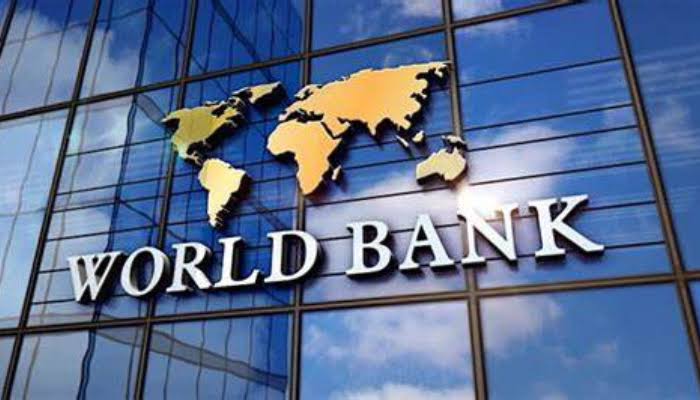
World Bank Identifies $4 Trillion Financing Gap For Developing Countries
By Fatima Peace Haruna
The World Bank Group says micro, small and medium-sized enterprises (MSMEs) in developing countries face a $4 trillion financing gap, warning that limited access to credit is constraining business expansion, competitiveness and job creation.
The Bank disclosed this in its Finance and Prosperity 2026 report released on Tuesday, November 17, which highlights persistent barriers preventing small businesses from accessing the financing needed to drive economic growth.
According to the report, MSMEs account for 90 per cent of businesses and 75 per cent of employment in emerging market and developing economies, despite facing significant difficulties in accessing credit and equity financing.
It noted that between 2019 and 2023, the financing gap for these businesses reached $4 trillion.
The report also found that access to formal loans could increase employment in businesses by an average of 12 per cent, while boosting sales and profits by about 18 per cent.
World Bank Group Vice President for Prosperity, Pablo Saavedra, identified limited digital records, weak market connections, regulatory complexities and inadequate financing as major constraints to MSME growth.
He said the Bank's new MSME strategy would leverage its financing alongside private lenders and investors to expand access to credit for businesses with strong growth potential.
Launched in October 2026, the strategy is designed to strengthen MSMEs through improved access to data and digital tools, market connections, an enabling regulatory environment and financing.
Under the initiative, the World Bank Group will support banks, financial technology companies and governments through risk-sharing arrangements, equity investments and measures to reduce regulatory bottlenecks, with particular attention to fragile and conflict-affected countries.
The report warned that addressing the financing gap is increasingly urgent, given that 1.2 billion young people in developing countries are expected to reach working age over the next 10 to 15 years.
It said expanding financing opportunities for MSMEs would be critical to creating jobs and providing economic opportunities for the growing workforce.
Beyond access to business financing, the Finance and Prosperity 2026 report examined financial sector vulnerabilities in emerging and developing economies, including the impact of geopolitical tensions, rising commodity prices and tightening financial conditions.
It also highlighted the growing insurance protection gap against natural disasters, noting that uninsured financial losses exceeded 80 per cent in parts of Africa, Asia and Latin America over the past decade.
The World Bank called for stronger financial sector supervision, improved safety nets and policies to reduce disaster risks while making insurance more accessible and affordable.
The findings reinforce the importance of expanding access to finance, strengthening financial institutions and improving the business environment to enable small enterprises to contribute more effectively to inclusive economic growth and employment generation.
Trending Stories
-
 Fani-Kayode Raises Concerns Over Killings of Nigerians in South Africa
-
 World Bank Identifies $4 Trillion Financing Gap For Developing Countries
-
 Tinubu’s 2027 Re-Election Campaign Gains Momentum in Anambra
-
 Tinubu Approves Kebbi Inland Dry Port Operations
-
 Nigeria Unveils Strategy to Transform Education Digitally
-
Nigeria Unveils Strategy to Transform Education Digitally
-
 Telecommunications: Nigeria Re-elected to ITU Council
-
 Nigerian Army Trains Officers For Entrepreneurship After Military Service
Advertisement