Nigeria, FAO Launch Youth Green Jobs Agrifood Project
by admin on | 2026-11-23 12:09:18
Share: Facebook | Twitter | Whatsapp | Linkedin Visits:
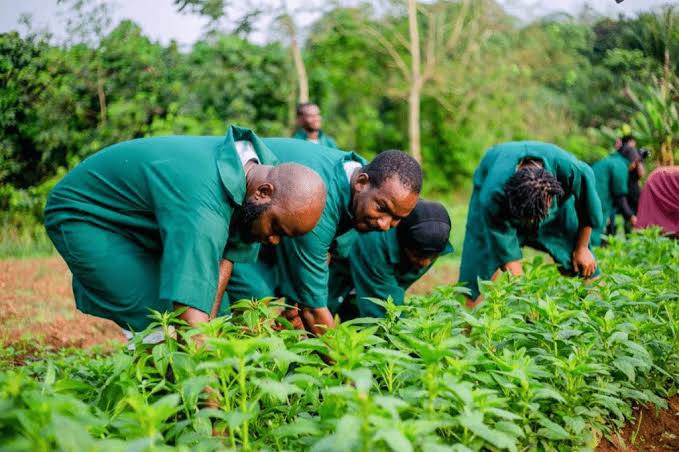
Nigeria, FAO Launch Youth Green Jobs Agrifood Project
The Government of Nigeria and the Food and Agriculture Organisation of the United Nations (FAO) have launched the Green Jobs for Youth in Resilient Agrifood Systems project in Nigeria, with the aim of demonstrating how targeted investment in young people, innovation and green entrepreneurship can contribute simultaneously to employment creation and climate resilience.
The project funded by the Korea International Cooperation Agency (KOICA) for three countries – Liberia, Nigeria, and Sierra Leone, to expand sustainable employment and entrepreneurship opportunities for young people and women, was launched in Lafia Nasarawa State with federal and state authorities, development partners, private sector actors, communities and other stakeholders charged with strengthening youth participation in productive, inclusive and climate-resilient agrifood systems.
Nigeria’s large and dynamic youth population presents significant opportunities for agrifood systems transformation.
However, realising this potential requires greater access to skills, technologies, productive resources, entrepreneurship opportunities and business support services.
Opportunities for young people
Declaring it open, the Governor of Nasarawa State, Abdullahi A, Sule who was represented by the Commissioner of Livestock Development Umar Tanko Tunga said that though the state is blessed with abundant agricultural resources, a youthful and enterprising population, and vast opportunities across agricultural value chains, realising this requires strategic partnerships’
“This project presents a unique opportunity to unlock these potentials and transform our young people from job seekers into job creators and champions of sustainable agricultural development. We recognise that successful implementation will depend not only on financial and technical resources but also on strong governance structures and collective commitment”
The project will equip young women and men with relevant skills and technologies while creating pathways to green employment and entrepreneurship.
Key implementation mechanisms will include Green Jobs Service Centres and Innovation Platforms, which will help connect young people to opportunities and strengthen collaboration among government, businesses, communities and other agrifood-system actors.
The FAO Representative in Nigeria and to ECOWAS Dr. Hussein Gadain while noting that investing in green jobs today means investing in employment, food security, resilient communities, and a more prosperous future said,
“Success must be measured by the young people who acquire productive skills; the sustainable green enterprises established and strengthened; the decent employment opportunities created; the increased participation of women; and the communities whose livelihoods and resilience are improved”.
The Government of the Republic of Korea, through KOICA, is supporting the initiative as part of efforts to strengthen the economic prospects and resilience of young people and promote more sustainable agrifood systems.
The Country Director of KOICA Kim Eunsub said it is an opportunity to “raise awareness of the role of green jobs in advancing youth employment, discuss the project’s objectives, expected results and implementation approach, highlight youth entrepreneurship, skills development and employment pathways; and discuss opportunities and expectations from the participating States”.
Eunsub highlighted KOICA’s interest in the project
“the project results framework, targets and monitoring arrangements, the Green Jobs Service Centres, the Innovation Platforms, and multi-stakeholder collaboration. To leverage the dynamic youth population of Nigeria”.
Effective coordination across federal, state and community levels will be central to implementation, to which end, Federal, State and Community Project Steering Committees were also inaugurated to provide strategic leadership, address implementation bottlenecks, strengthen coordination and promote accountability for results.
The multi-state approach will also create opportunities to share innovations and lessons across participating states and develop successful models that can be sustained and scaled beyond the life of the project.
Responding on behalf of the other states, Bayelsa State Commissioner for Agriculture Prof. Beke Tuboukiye Sese emphasised the importance of the project to the states,
“The project would provide an enduring opportunity for youths and women at the state level to embrace available opportunities and translate them into sustainable livelihoods. The states are committed to translating the project into locally relevant enterprises, jobs and livelihoods.”
Strategic implementation for sustainable results
At the community level, implementation will emphasise inclusion and responsiveness to local realities, ensuring that the voices and aspirations of young people and women inform capacity development, enterprise support and the identification of economic opportunities.
The project’s success will be measured not only by training and activities delivered, but by tangible outcomes, including young people acquiring productive skills, sustainable green enterprises being established and strengthened, decent jobs being created, greater participation of women, and improved livelihoods and resilience in participating communities.
Through the partnership, Nigeria, FAO and KOICA aim to demonstrate how targeted investment in young people, innovation and green entrepreneurship can contribute simultaneously to employment creation, climate resilience and the transformation of Nigeria’s agrifood systems.
Trending Stories
-
 Nigeria, FAO Launch Youth Green Jobs Agrifood Project
-
 Occupational Health Physicians Embrace AI for Workplace Safety
-
 Stakeholders Urge Tinubu to Nominate Duke-Abiola for UN Appointment
-
 Tinubu Approves ₦1.5 Trillion BOA Recapitalisation, ₦450bn Agriculture Funding
-
 Rejecting Tinubu Could Reverse Reform Gains- Wike
-
 Buhari’s Intervention Saved His Business, BUA Chairman Says
-
 Zulum, Sule Pledge ₦200 Million for Buhari Biography Purchase
-
 Customs Suspends College Training Amid Recruitment Concerns
Advertisement