IPCR Calls for Decentralised Policing to Tackle Nigeria’s Insecurity
by admin on | 2026-10-16 17:12:07
Share: Facebook | Twitter | Whatsapp | Linkedin Visits: 6

IPCR Calls for Decentralised Policing to Tackle Nigeria’s Insecurity
By Muhammad Bala Imam
The Institute for Peace and Conflict Resolution (IPCR) has called for stronger local security mechanisms and decentralised policing to address Nigeria’s security challenges, stressing that sustainable peace requires solutions tailored to the realities of local communities.
In a statement signed by the Institute's Director General, Dr Joseph Ochogwu, the Institute argues that the concentration of law enforcement responsibilities at the federal level poses challenges to effective security coverage across the country, underscoring the need for security structures that can respond more efficiently to threats at the grassroots.
It notes that the growing debate over state policing reflects increasing recognition of the need to bring security closer to the people, particularly in communities where the presence of government and law enforcement agencies remains inadequate.
“Conflict is local. Peace is also local. So, we must put the right mechanisms in place,” the Institute states.
IPCR maintains that addressing Nigeria’s security challenges requires a comprehensive approach encompassing institutional reforms, effective policing and the equitable distribution of resources to communities.
It also highlights the importance of decentralisation and local government autonomy in strengthening governance and tackling structural challenges that contribute to violence and instability.
According to the Institute, devolving resources and responsibilities to lower levels of government could improve service delivery, enhance community participation and facilitate more effective responses to local security concerns.
However, IPCR emphasises that tackling insecurity goes beyond changes to governance structures, noting that research, policy development, public advocacy and human capacity development are equally essential to building a peaceful society.
As a government think tank, the Institute generates research and provides policy advice to support the development of effective strategies for preventing and managing conflicts in Nigeria.
It is committed to translating research findings into policy reforms and practical interventions that can change attitudes, strengthen institutions and promote peaceful coexistence.
“The kind of work we do is such that we try to generate knowledge that will inform policy, lead to policy reforms and then translate those reforms into practice,” the Institute states.
IPCR also conducts advocacy and training programmes to equip individuals and institutions with the knowledge and skills needed to prevent, manage and resolve conflicts.
It observes that the constantly evolving nature of society makes it necessary to generate new knowledge and develop relevant skills to address emerging threats and changing conflict dynamics.
The Institute further stresses that peacebuilding cannot be achieved by a single institution acting alone, highlighting the importance of partnerships among government agencies, civil society organisations, religious institutions and international development partners.
IPCR works with stakeholders in Nigeria and across the international community, including the United Nations, the African Union and the Economic Community of West African States (ECOWAS), to advance peacebuilding initiatives.
It also engages strategic local partners, depending on the nature and objectives of its programmes, to ensure that interventions are inclusive and responsive to the needs of affected communities.
The Institute explains that interfaith peacebuilding initiatives, for instance, require the involvement of relevant religious bodies, including the Nigerian Supreme Council for Islamic Affairs and the Christian Association of Nigeria, alongside civil society organisations committed to promoting religious understanding and peaceful coexistence.
According to IPCR, such partnerships are vital to encouraging dialogue, fostering mutual understanding and ensuring that diverse groups are represented in efforts to prevent and resolve conflicts.
The Institute reaffirms the importance of research-driven policymaking, institutional collaboration and grassroots engagement in addressing the root causes of violence and building sustainable peace across Nigeria.
Trending Stories
-
 Remi Tinubu Urges Governors to Establish Community Food Banks
-
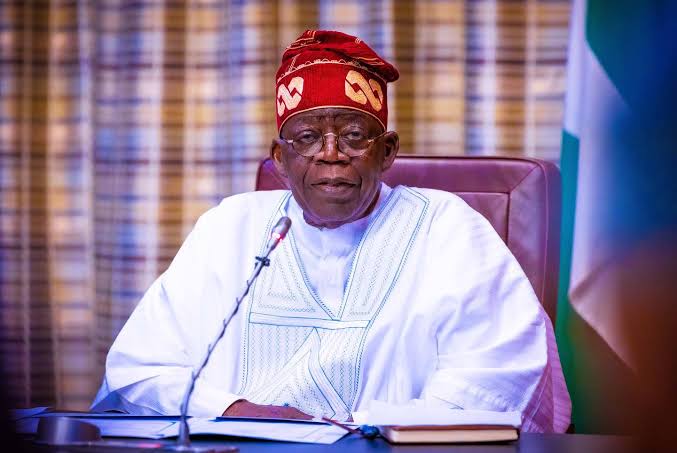 Tinubu Nominates Six New INEC Commissioners to Fill Vacancies
-
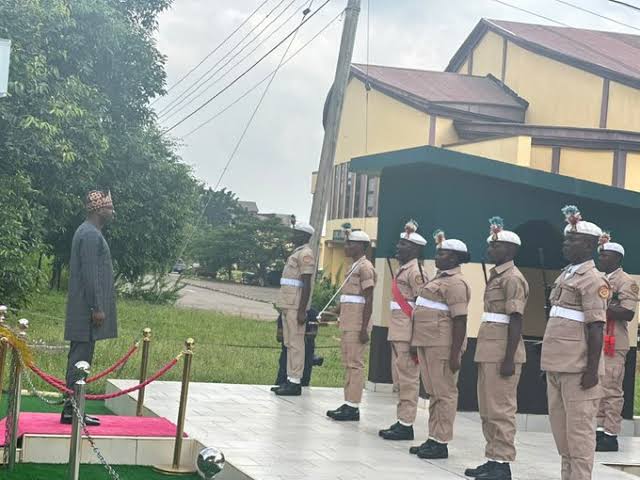 Nigeria Integrates 15 Million Records to Strengthen Border Security
-
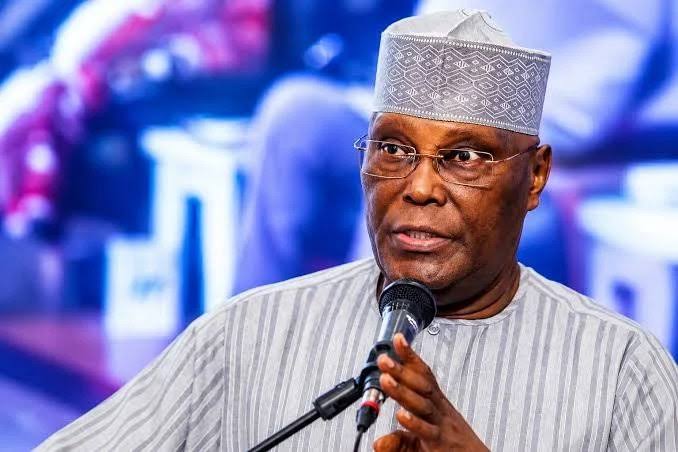 Atiku Launches Digital Platform for Direct Citizen Engagement
-
 IPCR Calls for Decentralised Policing to Tackle Nigeria’s Insecurity
-
 Elections: Tinubu Orders Security Agencies to Remain Neutral
-
 AI Won’t Determine 2027 General Elections, INEC Says
-
 INEC Defends Omission of Some Governorship Candidates Names
Advertisement