FCT High Court Records 6,727 New Cases
by admin on | 2026-11-05 13:50:17
Share: Facebook | Twitter | Whatsapp | Linkedin Visits: 13
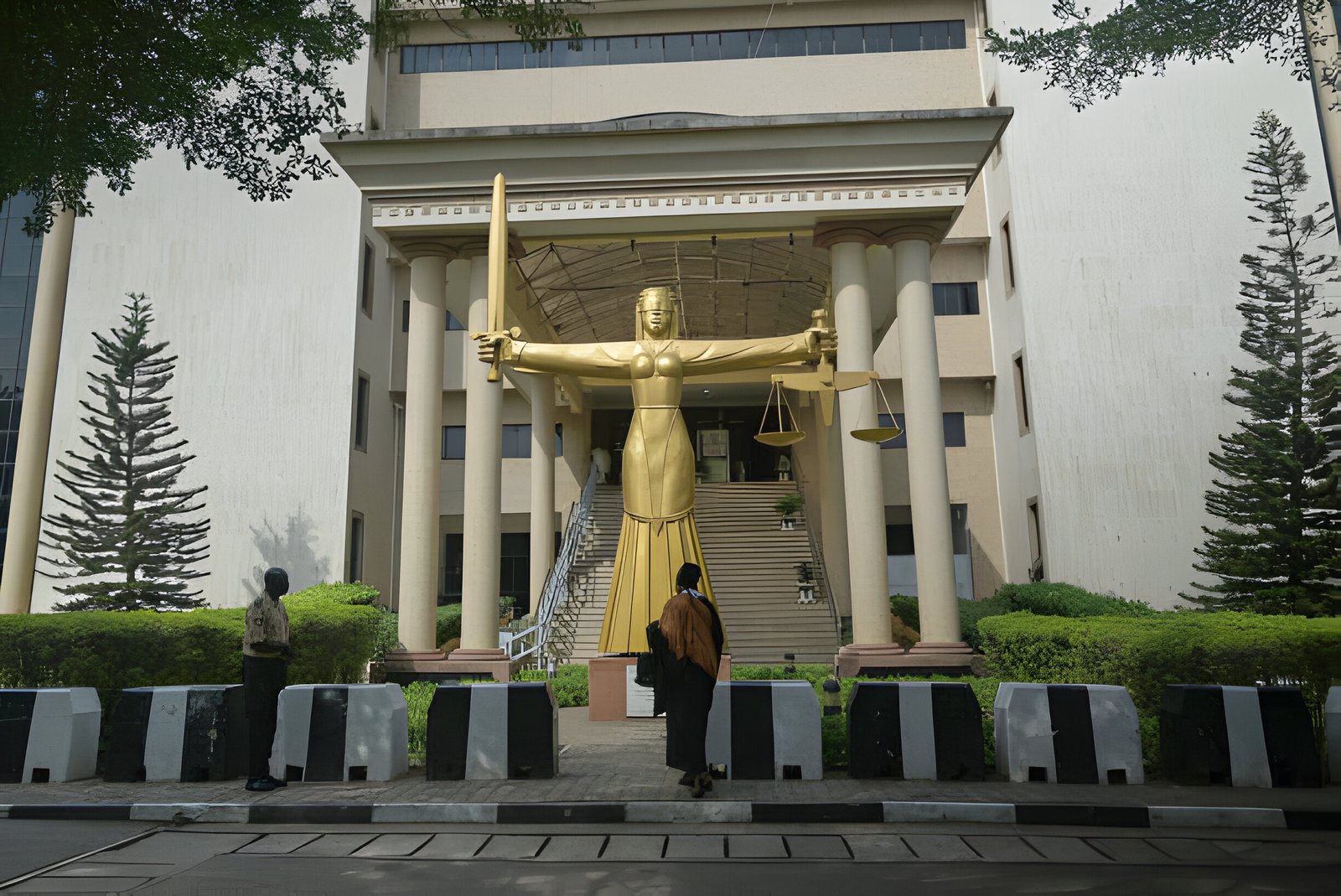
FCT High Court Records 6,727 New Cases
By Maryam Yahya
The Chief Judge of the High Court of the Federal Capital Territory (FCT), Nigeria, Justice Husseini Baba-Yusuf, has announced that the court recorded 6,727 new cases and disposed of 5,626 during the 2025/2026 legal year.
Justice Baba-Yusuf disclosed the figures while delivering his address at the ceremonial opening of the 2026/2027 legal year in Abuja, Nigeria's capital.
He also presented the performance records of the lower and appellate courts across the territory, emphasising the need to improve access to justice and protect fundamental rights.
According to him, the FCT Magistrates’ Courts recorded 23,200 new cases and disposed of 19,292 during the period, while the Sharia Court of Appeal received 117 new cases and concluded 87. The Area Courts disposed of 4,910 cases out of 6,718 pending matters, while the FCT Customary Court of Appeal received 111 new cases and determined 37. Similarly, the territory's 43 Customary Courts registered 2,823 cases and disposed of 2,677.
“The workload indicates that the challenge of pending cases in this jurisdiction, where the demand for justice is rising with each passing day, requires sustained attention. To address this, the High Court has started the process of appointing additional judges,” he said.
The Chief Judge maintained that judicial efficiency should not depend solely on renovated courtrooms, technological improvements or the number of cases handled. Instead, he said, the judiciary's success should reflect the impact of fair judgments on people's lives and the protection of their fundamental rights.
He noted that, despite differences in judicial traditions and procedures across jurisdictions, courts share a common constitutional responsibility. This includes upholding the rule of law, protecting rights, resolving disputes, preserving public order and maintaining public confidence in justice administration.
Justice Baba-Yusuf attributed progress within the FCT judiciary to several institutional reforms which include reviews of court rules and practice directions, infrastructure expansion, continuous professional development, digitalisation and improved case-management procedures.
The judiciary is also working to strengthen case-management systems and improve the quality and timeliness of judicial services.
According to him, the FCT High Court has placed considerable attention on capacity building for judicial officers at all levels and other court staff.
“A Modern Judiciary must invest continuously in the knowledge, Skills and professional competence of its personnel,” the Chief Judge said.
He commended the Rule of Law and Anti-Corruption Programme (RoLAC), funded through International IDEA, for supporting the training of 500 FCT court workers. The training covered access to justice, case tracking, archival record-keeping and witness interpretation.
Justice Baba-Yusuf urged judicial officers to promote cooperation, professional discipline and institutional unity and called for a judiciary that is independent in thought, disciplined in administration, compassionate towards court users and committed to defending the rule of law.
“Justice delayed may weaken confidence, and justice denied may diminish hope, but justice administered fairly and impartially strengthens the very foundation of our democracy,” he said.
He urged judicial officers to ensure that reforms translate into more efficient processes, accessible courtrooms and decisions that faithfully uphold the law.
While speaking, the Attorney-General of the Federation (AGF) and Minister of Justice, Lateef Fagbemi, represented by Tijani Gazali, described the new legal year as an opportunity to assess judicial performance and renew commitments to speedy justice delivery.
Fagbemi acknowledged the heavy caseload facing the FCT judiciary amid rapid urban population growth.
He urged judicial authorities to adopt innovative case-flow management systems to reduce case backlogs and improve court administration.
“We must continue to explore practical measures for reducing the accumulation of cases, improving case management, strengthening court administration and making the best use of human and material resources,” he said.
The Attorney-General also urged judges to comply strictly with statutory timelines for delivering judgments.
He called on judicial officers to deliver judgments within 90 days after parties adopt their final written addresses. He further urged courts to transmit certified copies of rulings to litigants within seven days of delivery.
Fagbemi said timely access to authenticated court decisions would enable litigants to understand judgments, obtain legal advice and exercise their constitutional right to appeal where necessary.
“The timely availability of authenticated copies enables parties to understand the decision, take appropriate legal advice and, where necessary, exercise their constitutional rights to appeal within the prescribed time,” he said.
The Attorney-General reaffirmed the Federal Government's commitment to providing institutional support for the justice sector.
He also called for stronger cooperation among the executive, legislative and judicial branches of government to strengthen the rule of law and improve justice delivery in Nigeria.
Trending Stories
-
 Sultan Urges Nigerians To Promote Peace, Unity
-
 FCT High Court Records 6,727 New Cases
-
 Kaduna Harmattan: KADCCAM Warns Residents Against Bush Burning
-
 Reps Summon Telecom Operators Over Poor Services
-
 FG Launches Physical Phase Of 2026 National Youth Conference
-
 Anambra Debunks Video of Soludo’s Son Campaigning For Obi
-
 NIMASA Unveils New Security Assets To Combat Maritime Crimes
-
 NUC Approves Degree Courses For Ebonyi College of Education
Advertisement