Idris Seeks Stronger Collaboration To Tackle Insecurity
by admin on | 2026-08-14 17:04:44
Share: Facebook | Twitter | Whatsapp | Linkedin Visits: 45
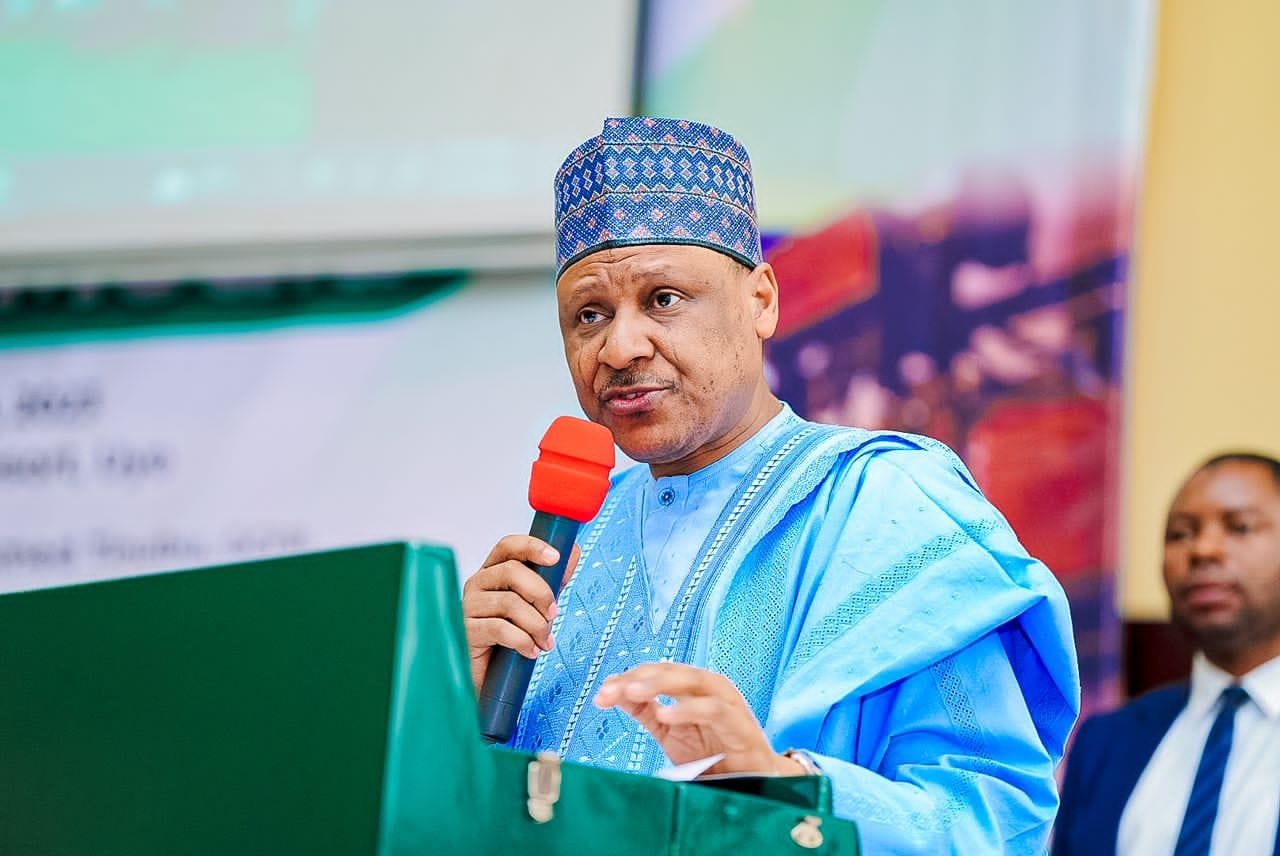
Idris Seeks Stronger Collaboration To Tackle Insecurity
By Maryam Muhammad, Abuja
Nigeria’s Minister of Information and National Orientation, Mohammed Idris, has called for stronger collaboration among security agencies, state governments, communities and citizens to tackle Nigeria’s security challenges, stressing that the country cannot rely on military force alone to achieve lasting peace.
Idris made the call when he received the Special Adviser to the President on Homeland Security, Major General Adeyinka Famadewa, and his team on a courtesy visit to his office in Abuja.
According to the Minister, effective intelligence gathering and surveillance require the active participation of Nigerians, noting that security agencies cannot be physically present in every part of the country.
“The security situation in this country or anywhere in the world is such that there must be collaboration between the security agencies, the armed forces and the general public,” the minister said.
Idris noted that peace and security remained the foundation of economic development, stressing that the Federal Government’s goal of achieving prosperity for Nigerians could not be realised without a secure environment.
“There is no development that can ever happen if there is no peace. Peace and security are essential elements. In fact, they are the building blocks of any development that can happen anywhere,” he said.
The minister reiterated the Ministry of Information and National Orientation’s readiness to work with the new Homeland Security office to improve public understanding of national security and mobilise citizens to provide useful information to security agencies.
He further highlighted the role of the National Orientation Agency (NOA), which, according to him, has more than 800 offices and over 5,000 personnel across the country.
Idris said the agency’s grassroots presence gave it access to communities and people who could provide valuable information for security planning and intelligence gathering.
“They live with the communities. They live with vulcanisers, ground-nut sellers, traditional rulers, market women, teachers, students, everybody,” he said.
He added that the information gathered through such interactions could help security authorities understand developments within communities and respond more effectively to emerging threats.
Idris also called for coordinated surveillance among the Federal Government and state governments, warning that criminals and terrorists could exploit state boundaries to evade security operations.
“Surveillance cannot be done by just one state alone. There is no one state government. There is not even the federal government alone that can fight this. We need to come together, coordinate,” he added.
The minister cited the recent rescue of abducted schoolchildren in Oyo State as an indication of the benefits of stronger coordination between security agencies, the armed forces and communities.
According to him, the development demonstrated that better intelligence gathering and cooperation with citizens could improve the government’s response to security incidents.
He also urged the Nigerian media to give greater prominence to the successes and sacrifices of the armed forces and other security personnel fighting terrorism, banditry and other criminal activities, and avoid unnecessarily glorifying criminal activities while reporting the achievements of security agencies.
“Terrorists, criminals, bandits, all these people that don’t wish us well are enemies of all of us. We should treat them as such. We need to celebrate. We need to strengthen our armed forces by reporting the successes that they have achieved in their fight against insecurity,” he said.
The minister further identified fake news, misinformation and disinformation as major security concerns, particularly ahead of the 2027 general elections. He said the ministry was strengthening media and information literacy initiatives to enable Nigerians to distinguish credible information from false reports capable of creating panic and undermining security operations.
“It’s not just enough to be educated, you also have to be media literate for you to discern what is fake news and what is bad,” Idris said.
Speaking earlier, the Special Adviser to the President on Homeland Security, Major General Adeyinka Famadewa, said his office was seeking a structured relationship with the Ministry of Information and National Orientation because public education had become an important component of national security.
He noted that emerging threats involving artificial intelligence, disinformation, propaganda and perception management required the government to take a more proactive approach to information management.
“Unlike before, public information or public education is not just about the media. It is a key capability that is required for Homeland Security,” he said.
The Special Adviser also clarified that the new office was established to complement existing security institutions rather than replace them.
He identified four immediate priorities of the office as establishing a unified national intelligence and surveillance programme, improving border security, addressing anonymity, and developing protocols for reporting and responding to security incidents.
“I will emphasise here that the office is to complement, not to replace any office. The idea is this. No space of land in Nigeria should be left unmonitored. We should be able to see what’s happening, who is moving, and what they are doing,” he said.
The adviser also called for the development of an incident-reporting platform and stronger community resilience through national orientation. He stressed that Nigeria could not rely solely on military force to overcome insecurity.
“It is difficult to shoot our way out of insecurity. But it is easier for us to build the resilience of the nation so that the man who wants to perpetrate violence has some level of resistance from society,” he said.
He described every Nigerian as a potential source of security intelligence, urging citizens to become more vigilant and willing to report suspicious activities.
“National security is not the work of anybody. It’s the work of every Nigerian. Every Nigerian is a sensor. And if we optimise the sensor ability of every Nigerian, then we’ll have a better society,” he added.
Both officials expressed confidence that stronger cooperation between the information sector, security agencies and communities would strengthen Nigeria’s response to insecurity and contribute to sustainable national development.
Trending Stories
-
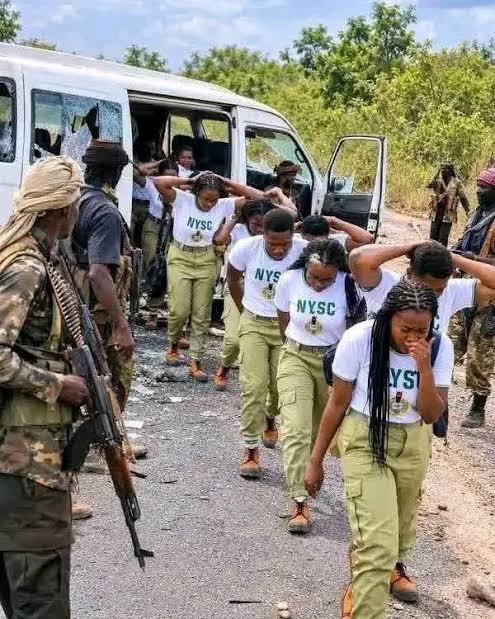 Security Operatives Rescue 20 Abducted Prospective NYSC Members
-
 Bago to Flag Off ₦1.5tn Lambata-Kontagora Highway Reconstruction
-
 FG Releases Eight-Month Allowance To Non-Academic Tertiary Staff
-
 Niger Appoints Kontagora Emir As 2027 Amirul Hajj
-
 NSDC Commends Oyo Sugar Factory On Commissioning Milestone
-
 Southwest Muslims Target ₦1bn For Education, Empowerment
-
 An Informed Electorate Can Change Nigeria’s Future
-
 Wike Recalls Orbih’s Role in His 2015 Rivers Victory
Advertisement