An Informed Electorate Can Change Nigeria’s Future
by admin on | 2026-10-08 11:43:50
Share: Facebook | Twitter | Whatsapp | Linkedin Visits: 21
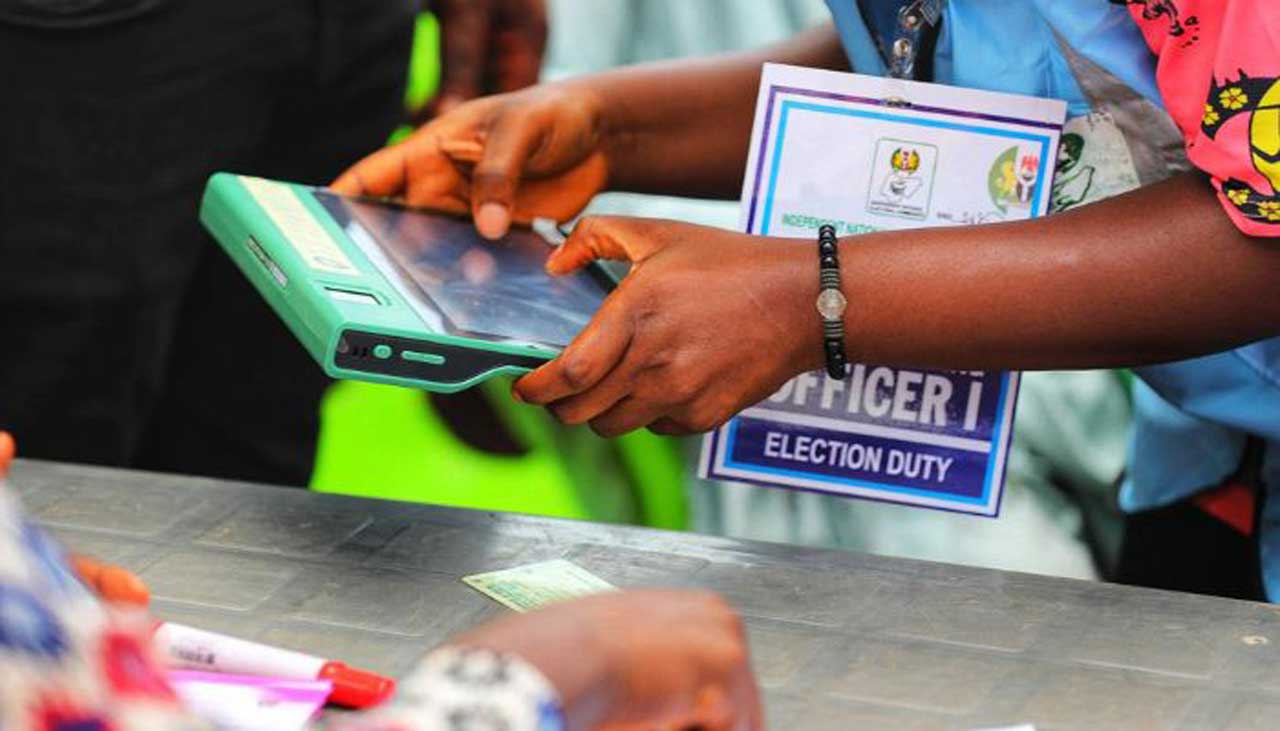
An Informed Electorate Can Change Nigeria’s Future
Adewale H. Adeosun, Abuja
Nigeria's population continues to grow rapidly, yet the country's economic indicators reveal persistent challenges.
High unemployment and underemployment, widespread poverty, inadequate infrastructure, rising inflation, low wages, and limited access to credit continue to weaken the nation's potential. For decades, these issues have dominated newspaper headlines, while successive governments have often responded with policies that promised much but delivered little.
As a result, many Nigerians have been pushed into hardship. This has fueled frustration, deepened public distrust, and created widespread skepticism about government policies. Transparency and accountability remain inadequate, making it difficult for citizens to believe that their leaders truly act in the public interest.
Nigeria possesses one of the world's largest youth populations. This should be a tremendous economic advantage, yet it has become a major challenge because the provision of education, healthcare, infrastructure, employment opportunities, and other basic necessities has not kept pace with rapid population growth.
Despite these realities, Nigerians must not allow politicians to further weaken the nation. Instead of reacting with emotion, ethnic loyalty, or political bias, citizens should seek accurate information and use it to hold leaders accountable. Democracy flourishes when voters ask informed questions, evaluate promises critically, and demand measurable results.
The real challenge is not merely poor leadership; it is also poor civic engagement. Many citizens fail to examine campaign manifestos, question policy proposals, or monitor whether elected officials fulfill their promises. Too often, political rhetoric, personal sentiments, and short-term incentives influence electoral decisions more than competence and integrity.
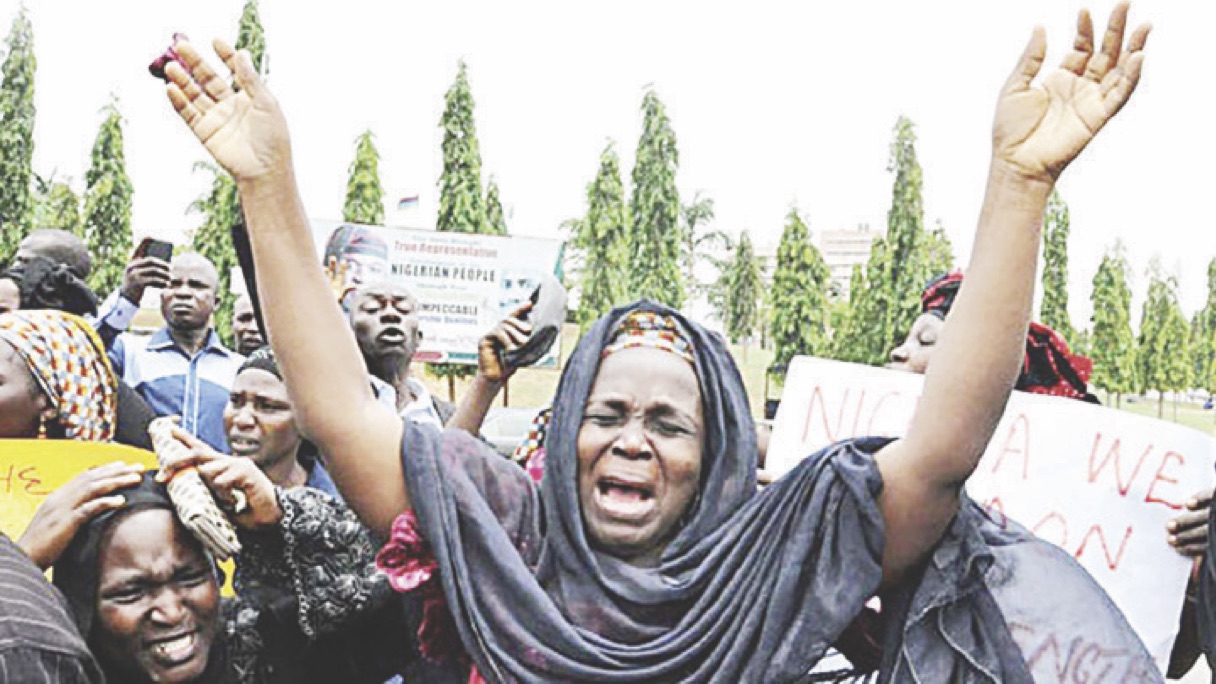
Politics is, in many ways, the art of understanding people's frustrations, hopes, and behavior. Politicians study public opinion carefully. Citizens should be equally diligent in studying those who seek to govern them. Elections should not be won by empty speeches but by evidence, credible plans, and demonstrated capability.
A significant part of Nigeria's problem is the failure to prioritize information over emotion. At times, individuals with limited competence have been entrusted with enormous responsibilities because voters failed to critically evaluate their qualifications, ideas, and track records. Rather than carefully examining policies and assumptions, many people accept slogans and propaganda without sufficient scrutiny.
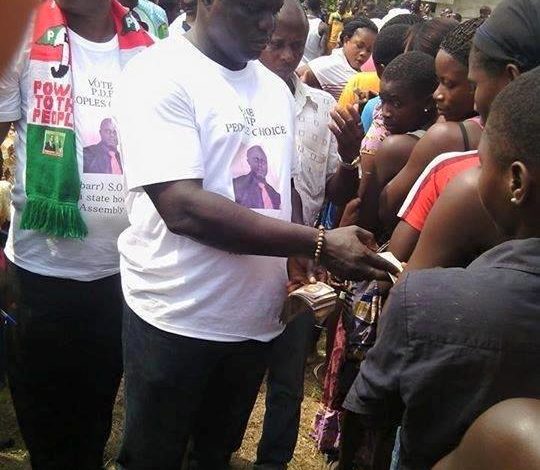
Corruption and vote-buying further weaken the nation's democratic institutions. Every citizen should ask an important question: Has accepting political inducements ever solved unemployment, poverty, or poor infrastructure? The answer is clearly no. Such practices only strengthen poor governance while delaying national development.
Instead of allowing ethnic divisions and regional politics to dominate public discourse, Nigerians should cultivate critical thinking and informed decision-making. Pattern reading—the ability to recognize meaningful trends in information and use them to understand situations and make sound judgments—is an essential civic skill. Citizens who develop this ability are less likely to be manipulated by propaganda and more likely to make informed electoral choices.
Above all, Nigerians should practice empathetic listening. We may not like a politician's personality, political party, or communication style, but we should listen carefully to understand what is being promised. Then, rather than becoming perpetual critics, we should create checklists. Document every campaign promise, monitor progress objectively, and evaluate performance based on evidence rather than emotion.
A checklist is more powerful than criticism because it replaces assumptions with facts. It enables citizens to praise promises that have been fulfilled, expose those that have been abandoned, and demand accountability where it is lacking.
Nigeria's future depends not only on better leaders but also on better-informed citizens. An informed electorate is the strongest foundation of a functioning democracy. When Nigerians choose evidence over emotion, accountability over excuses, and checklists over blind criticism, the nation will be better positioned to achieve lasting progress.
Trending Stories
-
 Security Operatives Rescue 20 Abducted Prospective NYSC Members
-
 Bago to Flag Off ₦1.5tn Lambata-Kontagora Highway Reconstruction
-
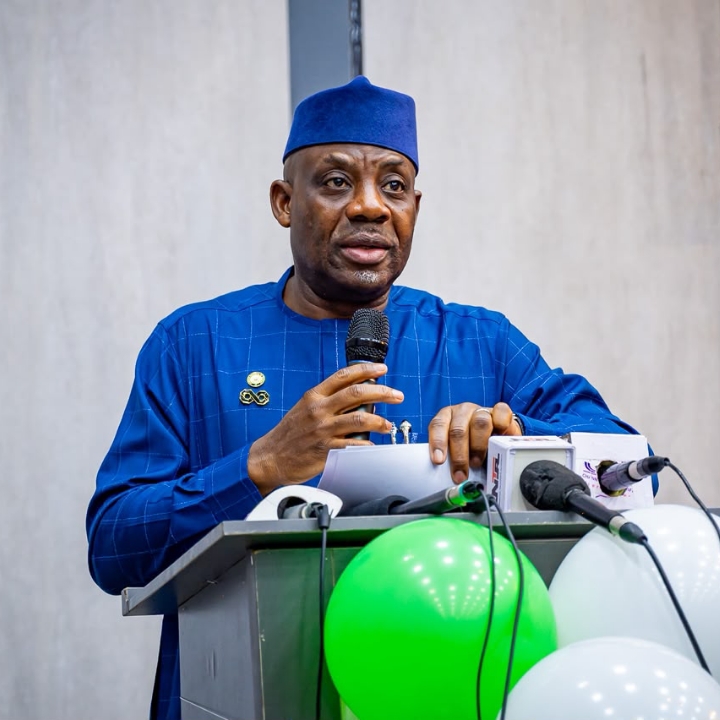 FG Releases Eight-Month Allowance To Non-Academic Tertiary Staff
-
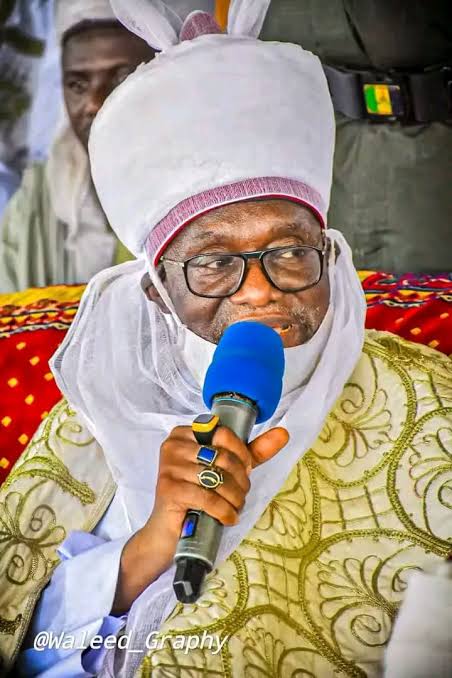 Niger Appoints Kontagora Emir As 2027 Amirul Hajj
-
 NSDC Commends Oyo Sugar Factory On Commissioning Milestone
-
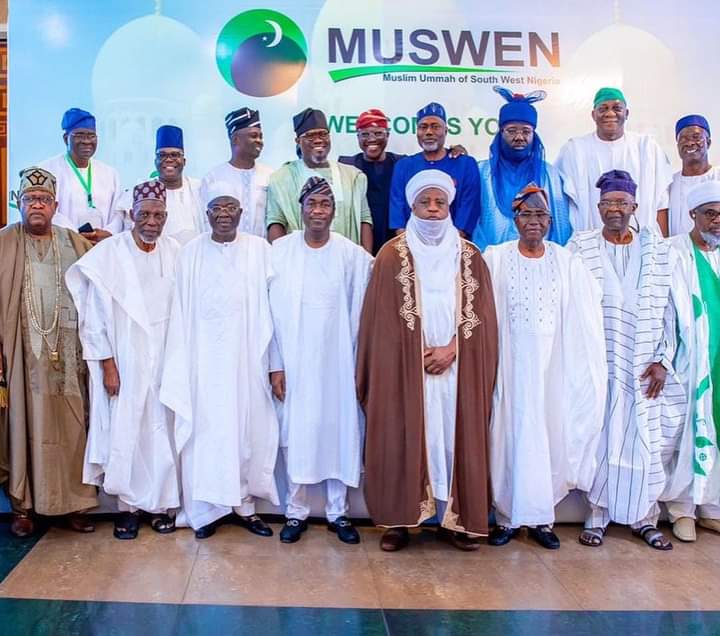 Southwest Muslims Target ₦1bn For Education, Empowerment
-
 An Informed Electorate Can Change Nigeria’s Future
-
 Wike Recalls Orbih’s Role in His 2015 Rivers Victory
Advertisement